Diving in the Philippines
You got the card. You found us!
We love the idea of bringing back the thrill of real mail — no algorithms, no e-newsletters, just a postcard that lands in your hands and leads you somewhere worth going.
Consider this your personal invitation to come along on the adventure.
Wish you were here.
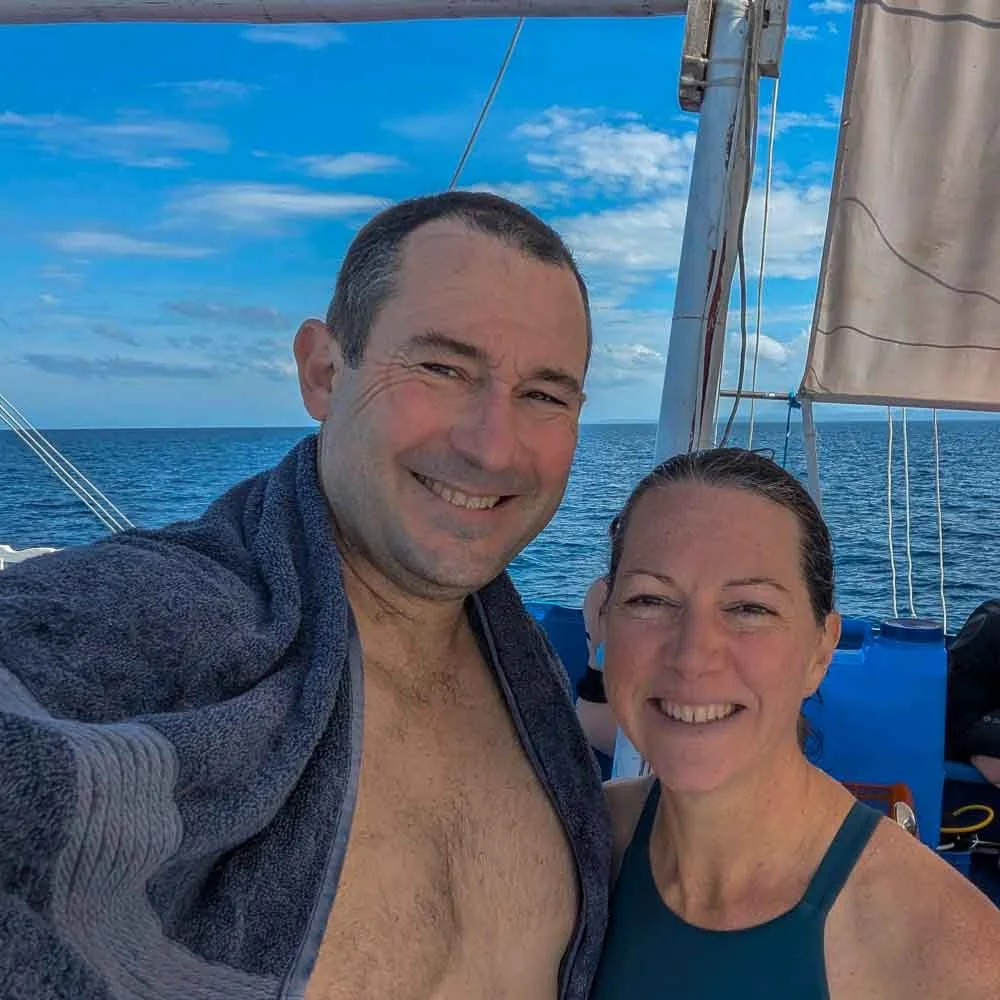
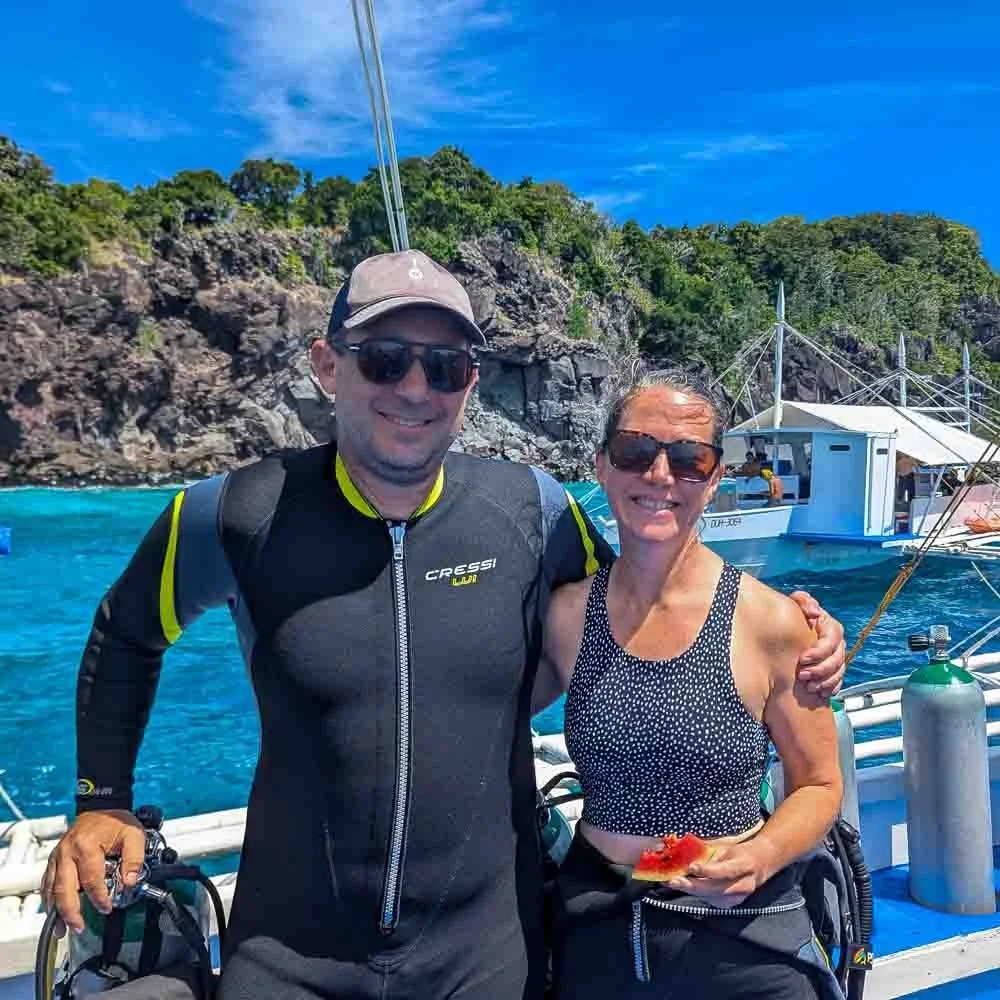
Leanne & Dave
No AI. No stock footage. Just what we saw.
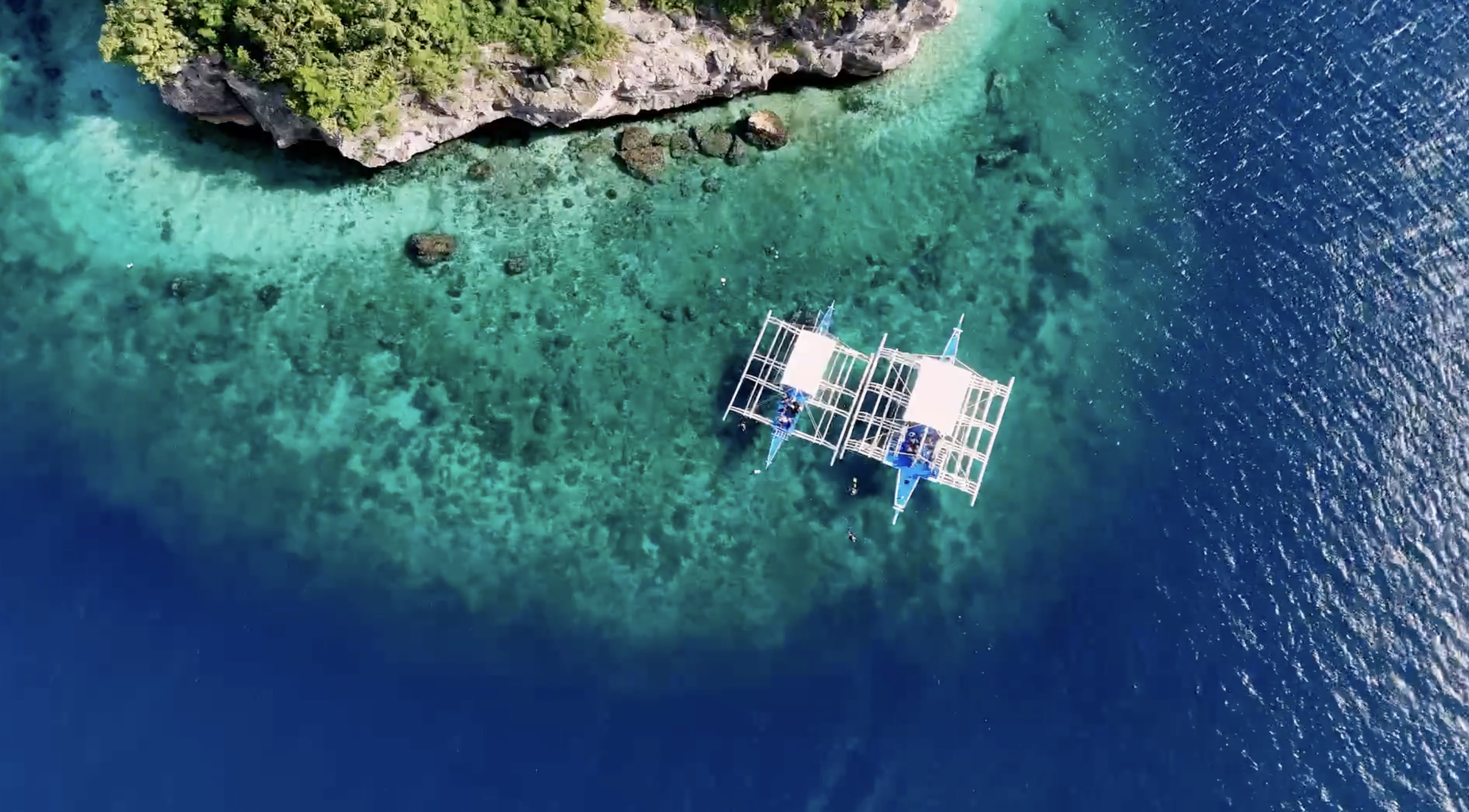
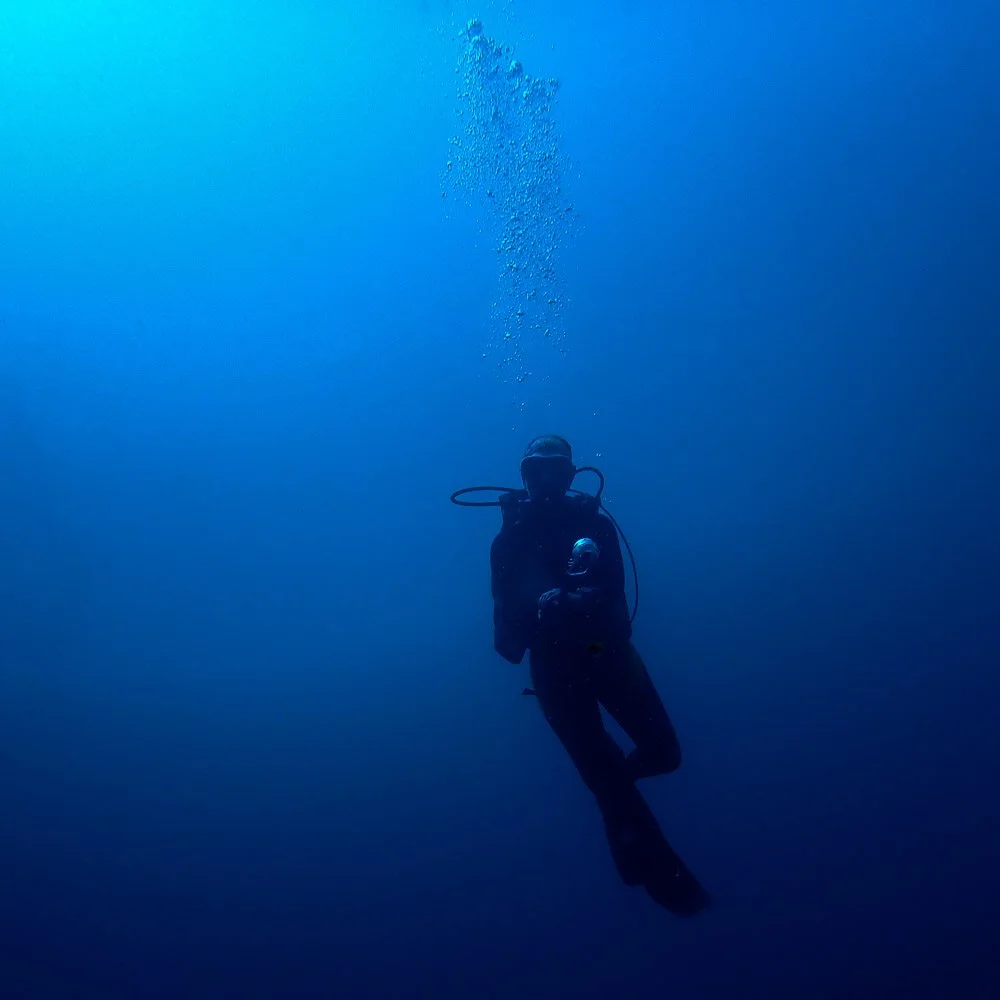
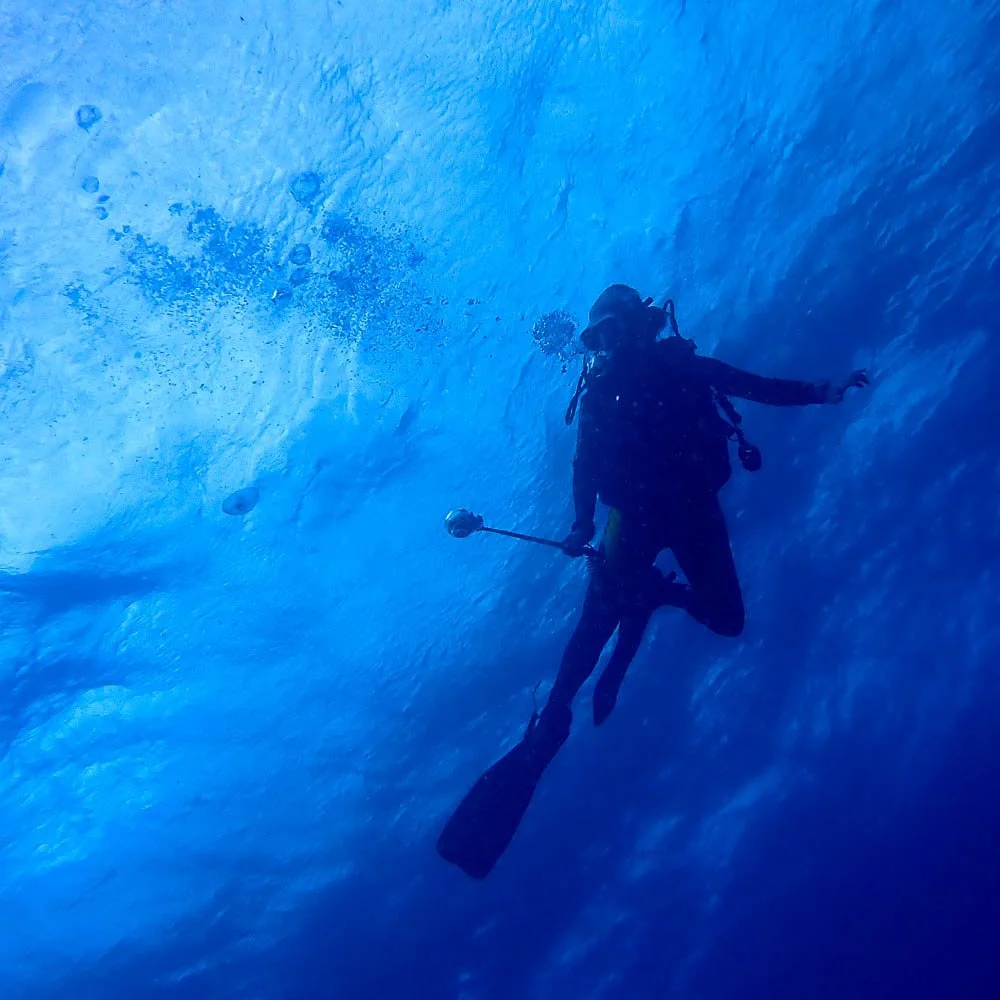
You're on a narrow wooden boat gliding across open water, watching the horizon fade into blue. In a few minutes you'll drop below the surface and enter a peaceful, otherworldly place.

The only sound is your own breath.

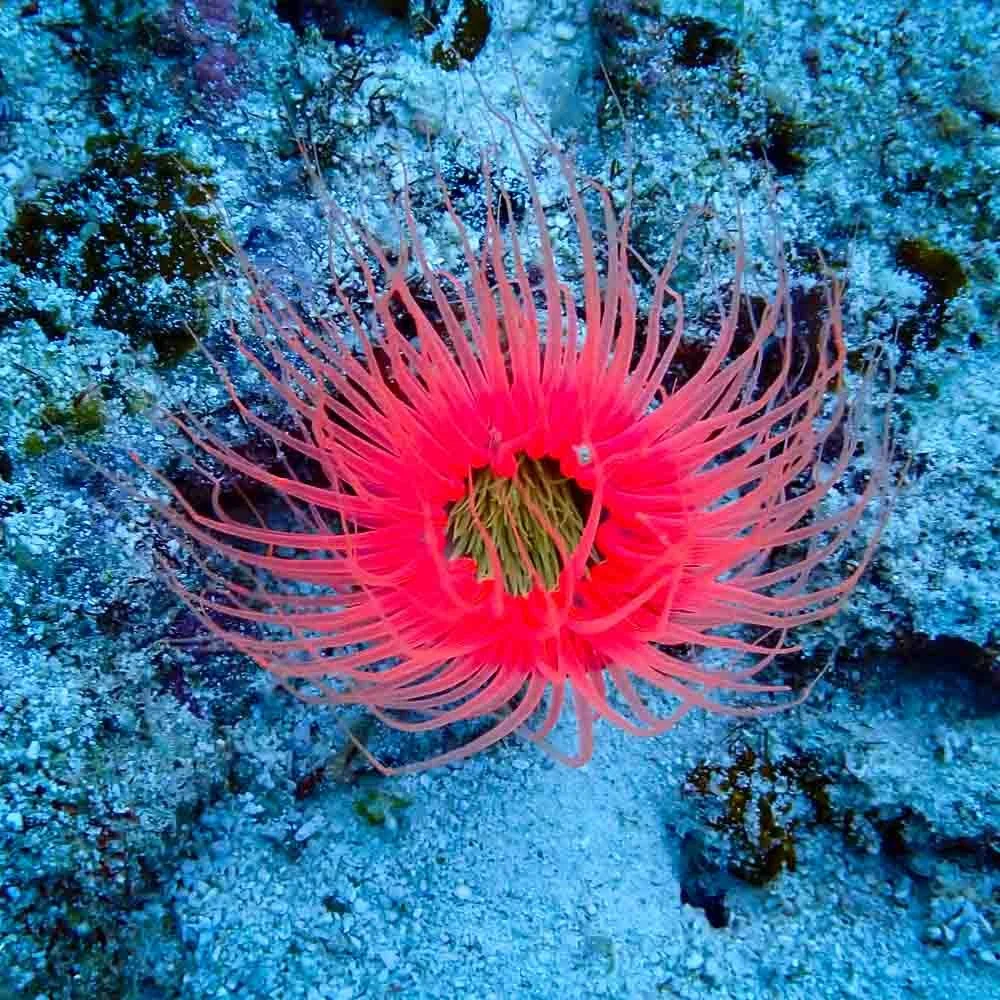
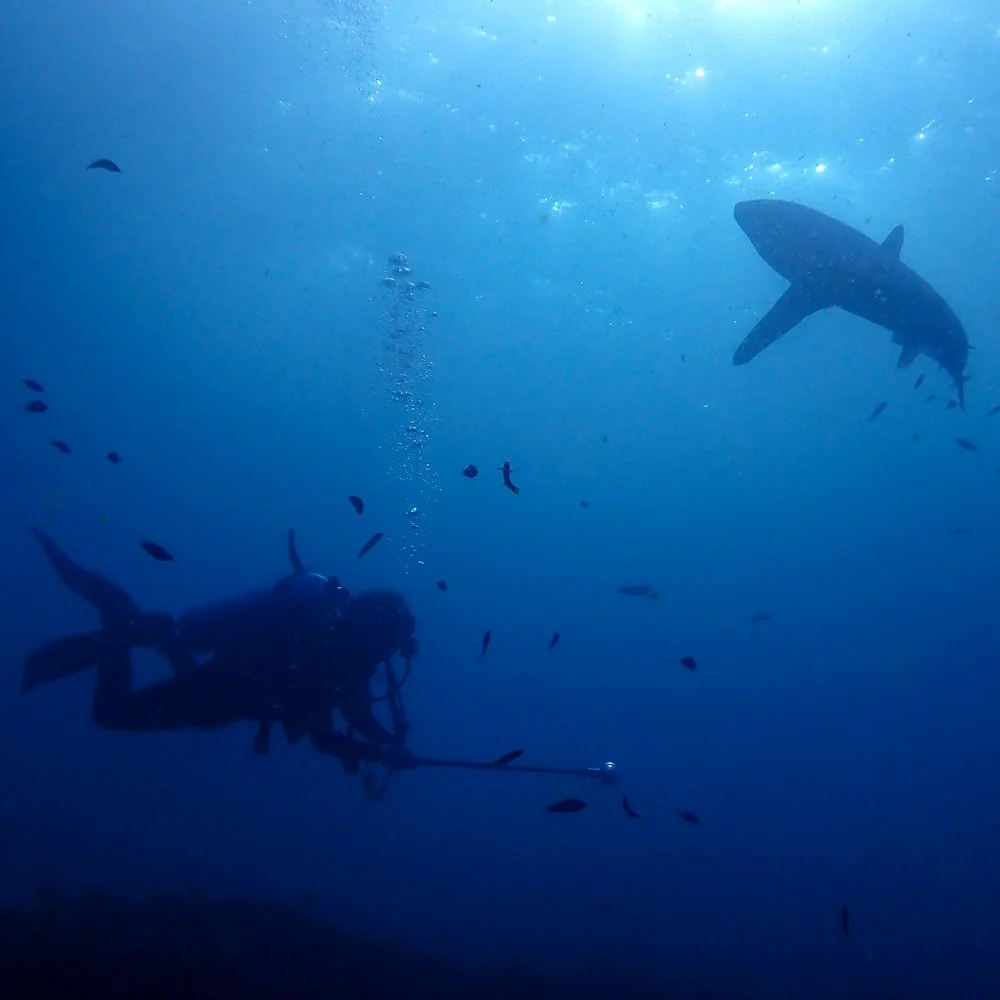
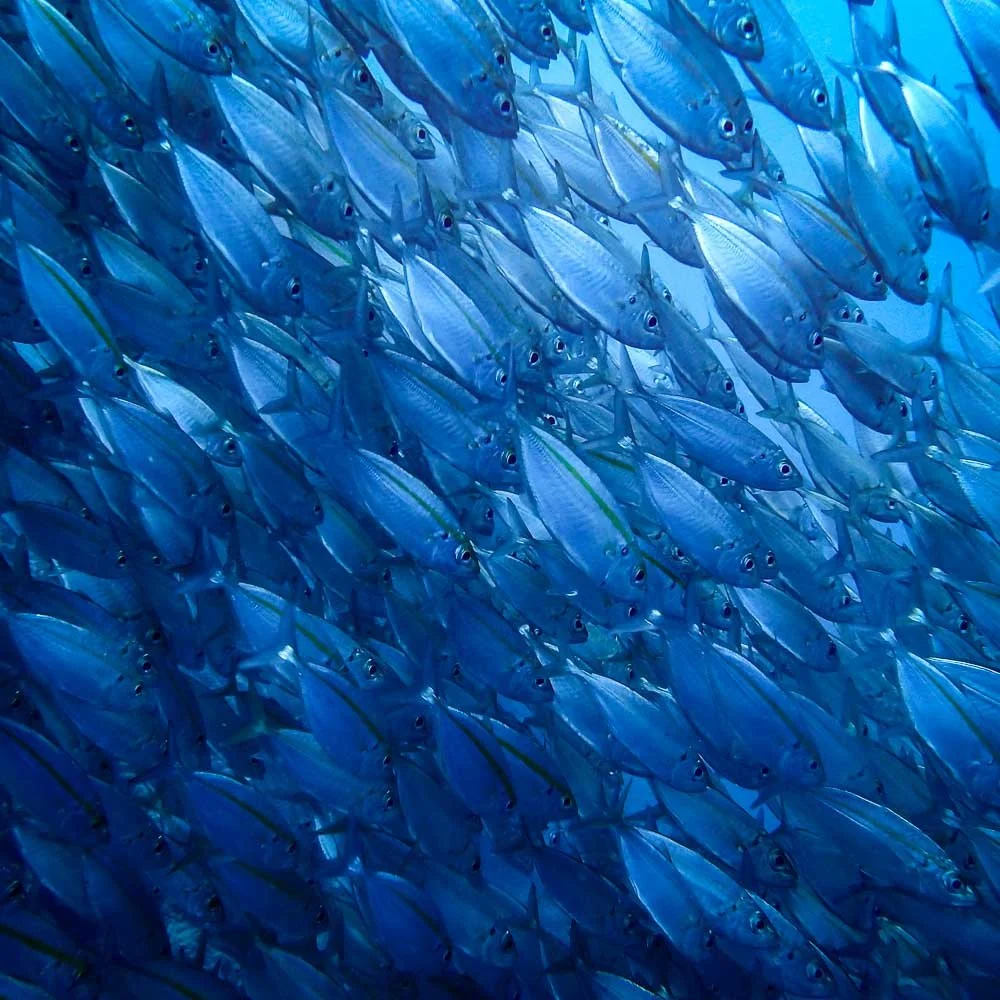
Soon you'll encounter the elegant thresher sharks, lose yourself inside nature's kaleidoscope (millions of sardines moving as one) and "discover" the tiniest microscopic creatures that seem completely improbable and totally fake, except you saw them with your own eyes.
Whether you've never been underwater with a tank on your back or you already know this world…there's something here for you.This is the magic of diving.
Where in the World
The Philippines is a nation of over 7,000 islands tucked between the South China Sea and the Pacific Ocean. It sits at the heart of the most biodiverse marine region on earth. We spent 29 days exploring a small slice of it: three destinations on and around the island of Cebu, each location chosen for what lives beneath the surface.1. Malapascua Island: Thresher Sharks
2. Moalboal: Sardine Run and Whale Sharks
3. Dauin: Apo Island 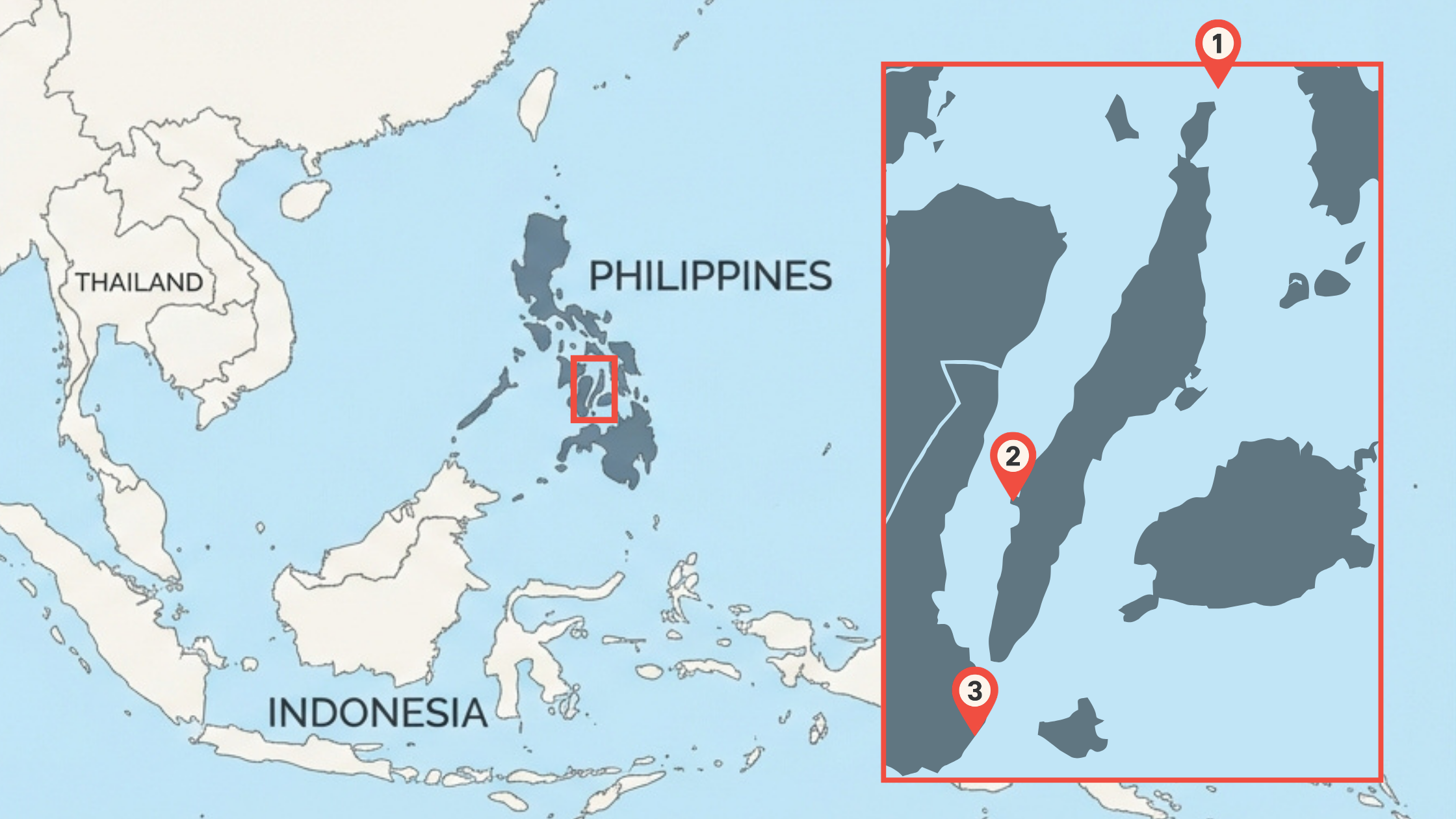
Malapascua Island
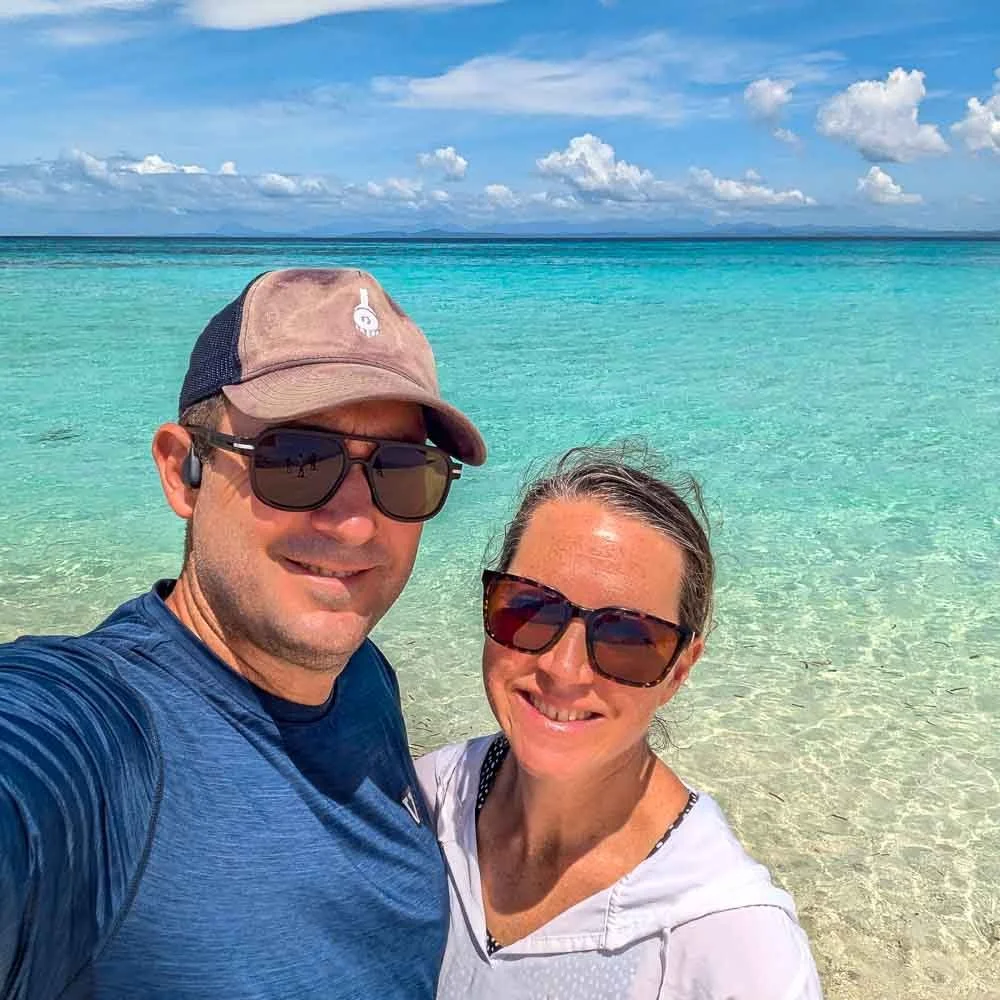
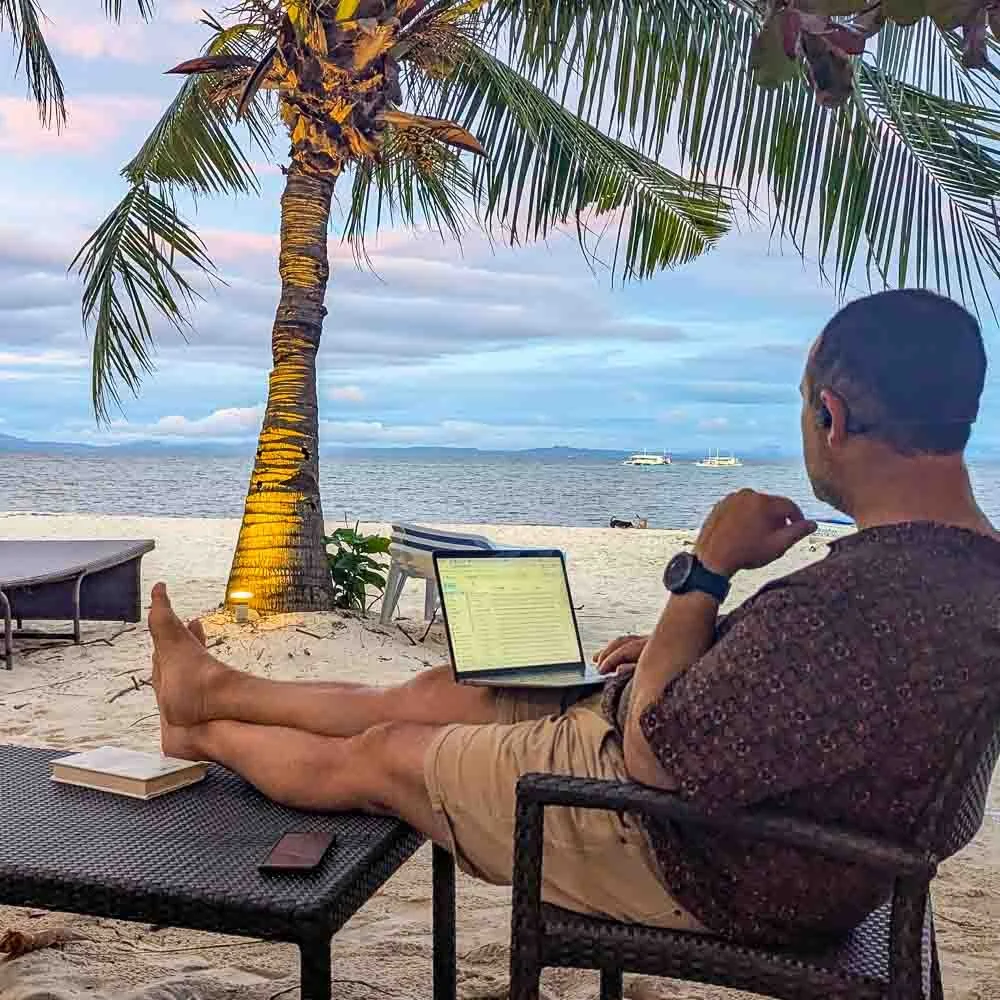
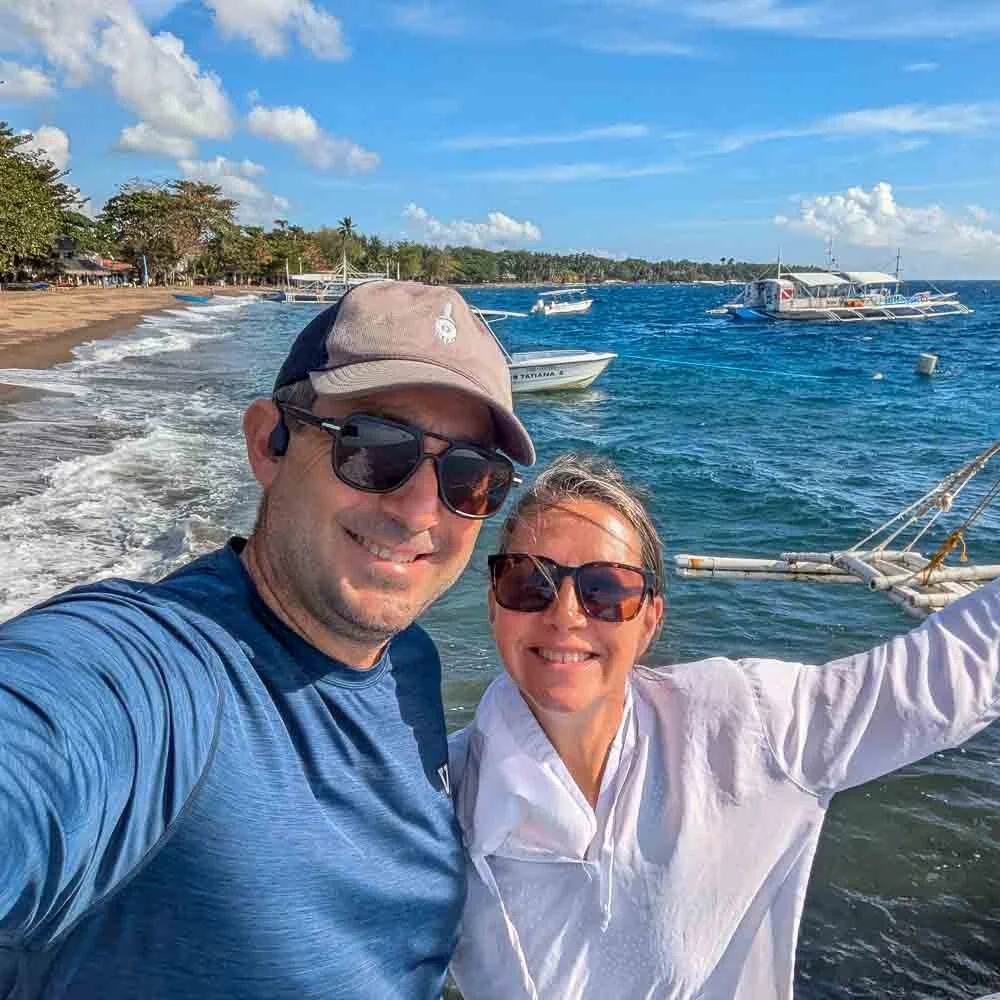
After 30 hours in transit, arriving by boat to this beach at sunset was a pretty good reset. People lounging. Warm air. The chaos of the journey just...behind us.
Thresher Sharks
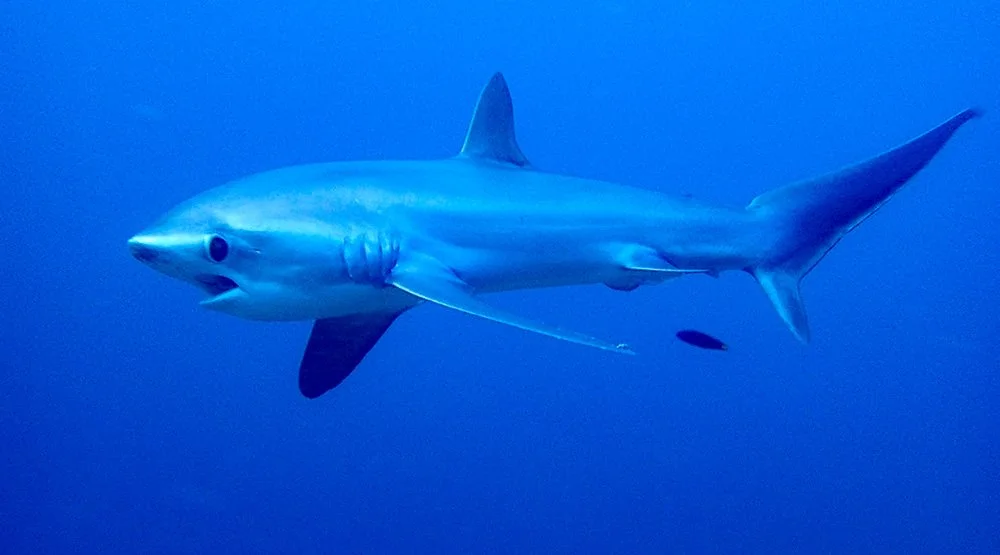
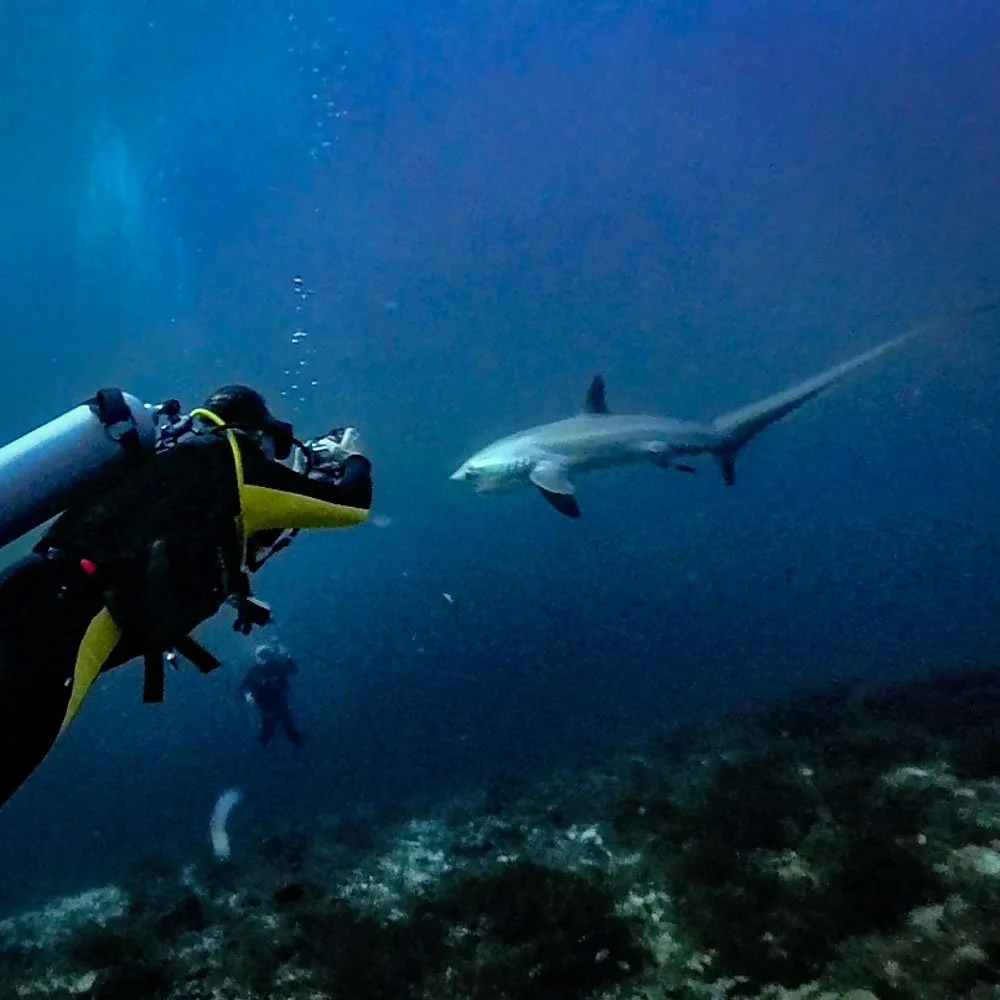
Malapascua has one main draw: thresher sharks.
You leave at 5:15am, still dark, coffee in hand, heading east toward the sunrise. Thresher sharks are most active in the morning — which is exactly why you're out here.
Descend below the surface and there they are: long-tailed, unhurried, moving effortlessly through the blue.
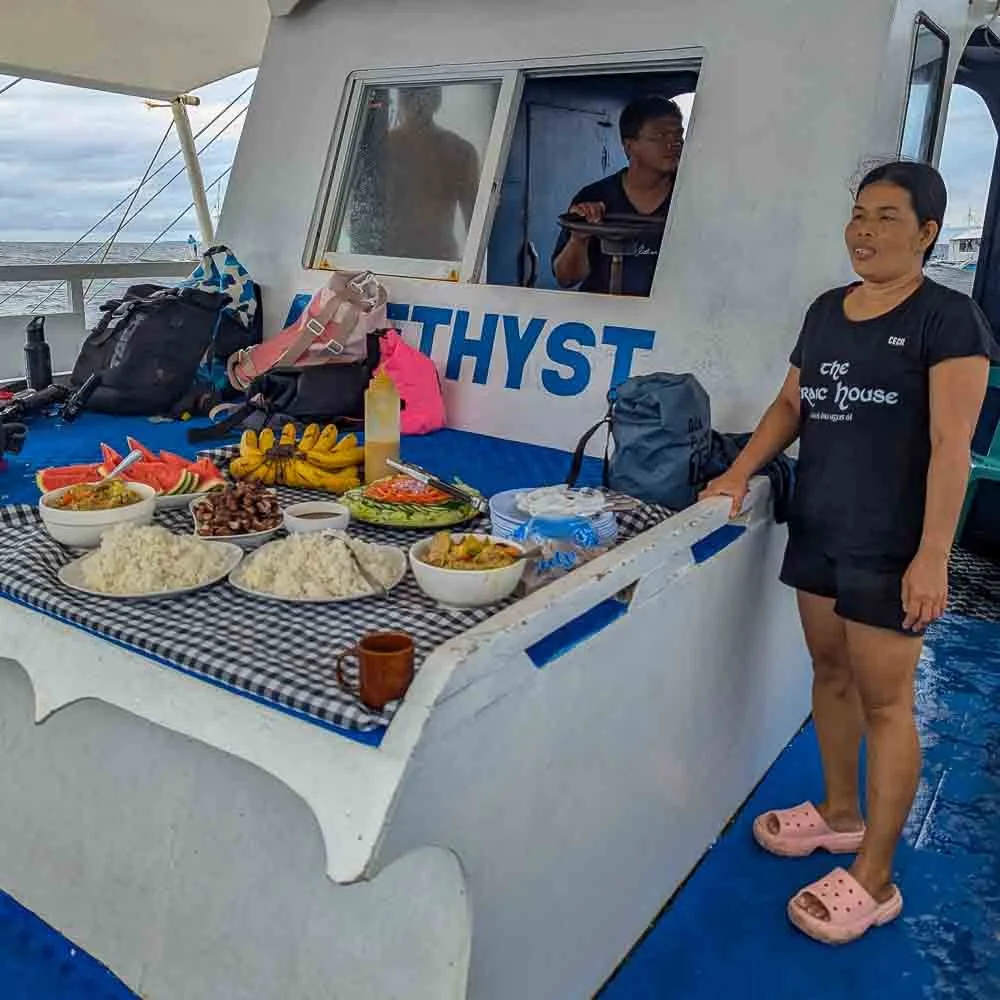
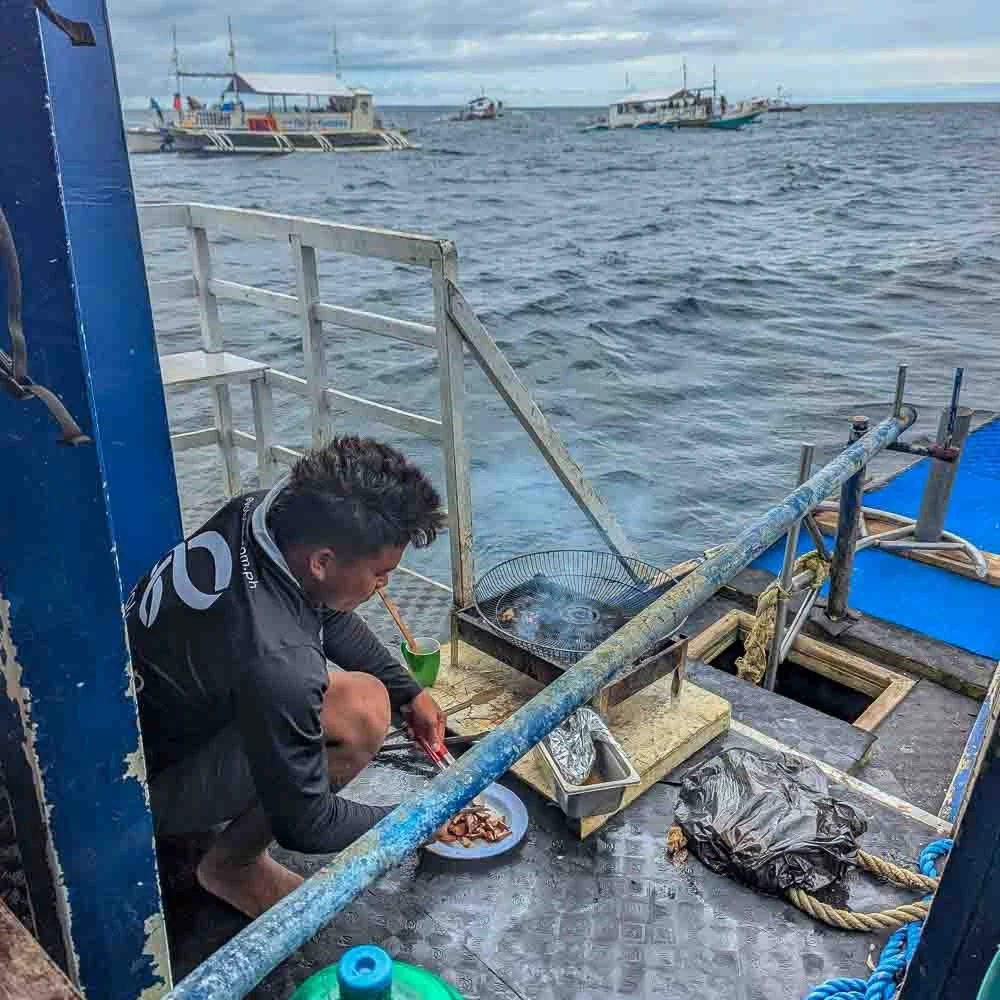
Breakfast on the boat between dives. Then back down again before returning to Malapascua to enjoy the rest of the day.
Island Life
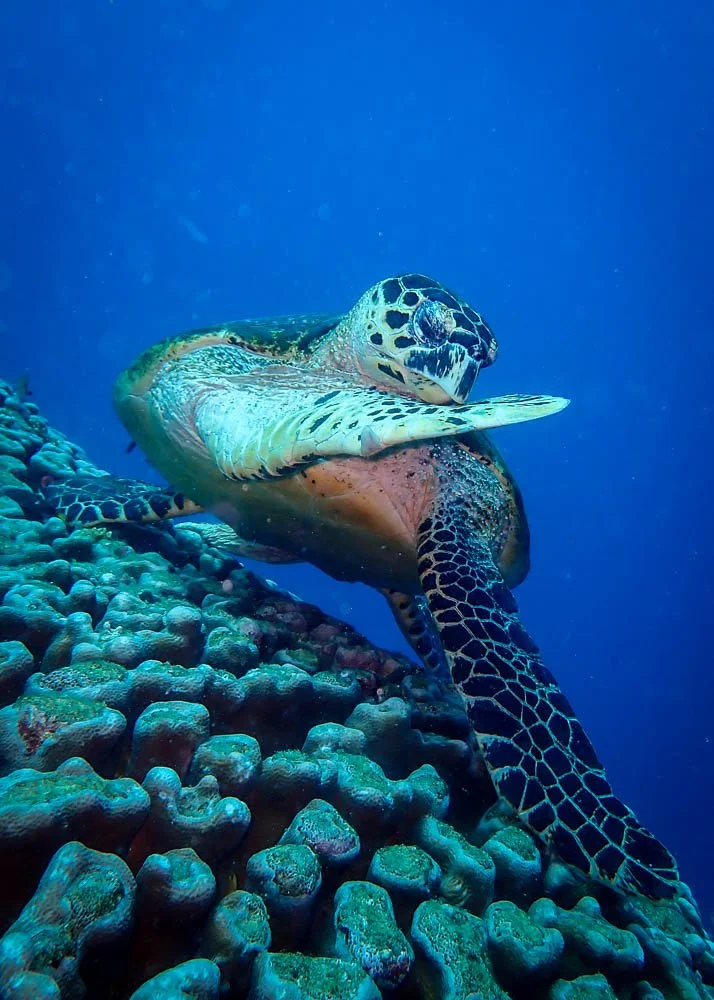
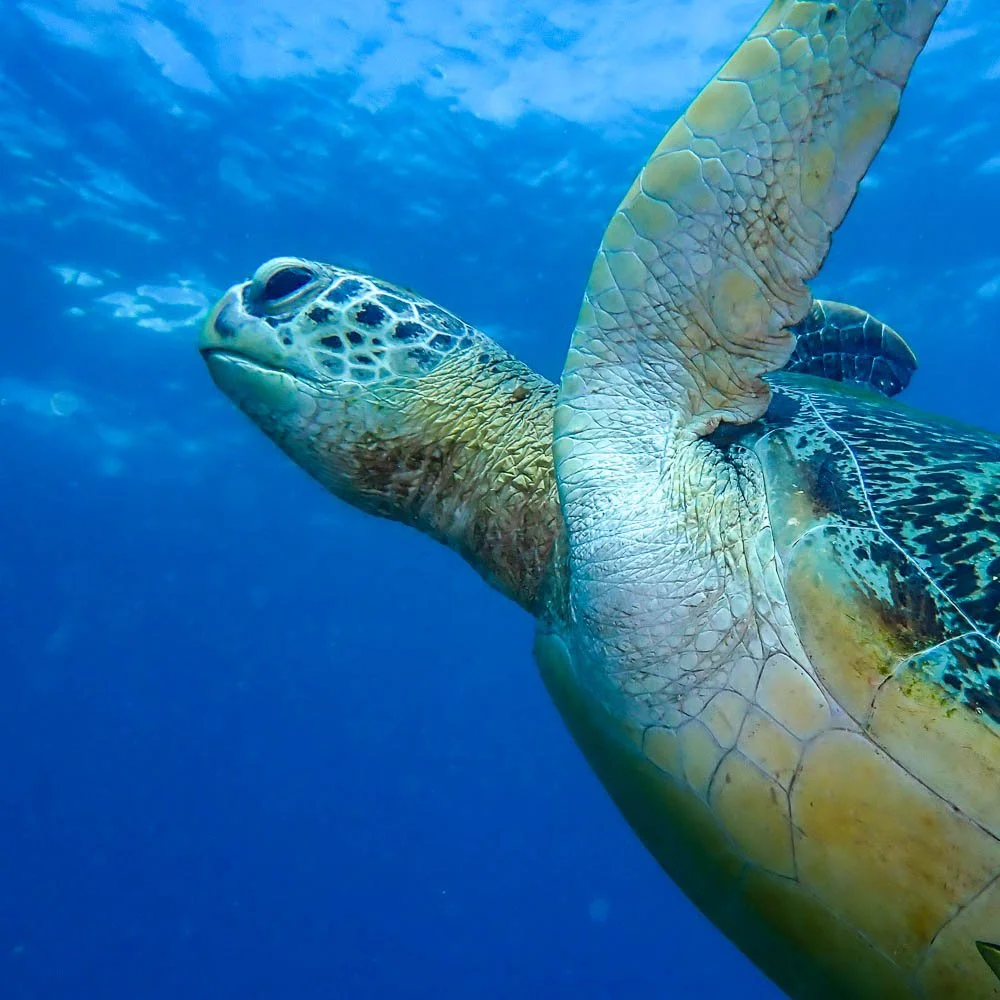
Beyond the sharks, there are other wonderful dive sites but our favourite was Kalanggaman Island. A full-day adventure and totally worth it for the stunning wall dives, sea turtles encounters and a time on the island which is not much more than a tiny sandbar with a few palm trees.
Back on Malapascua, we settled into a routine: morning dives, work, explore the island, eat, repeat.
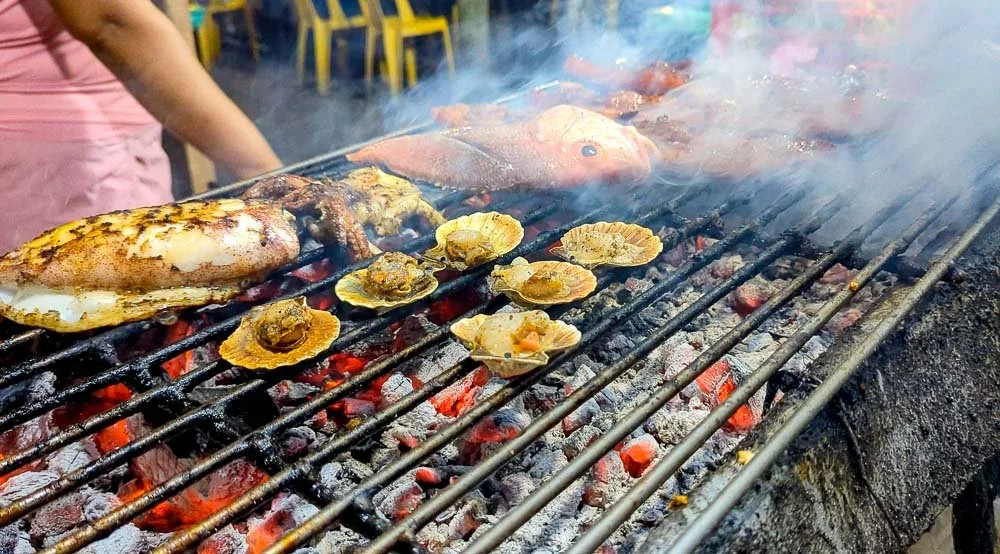
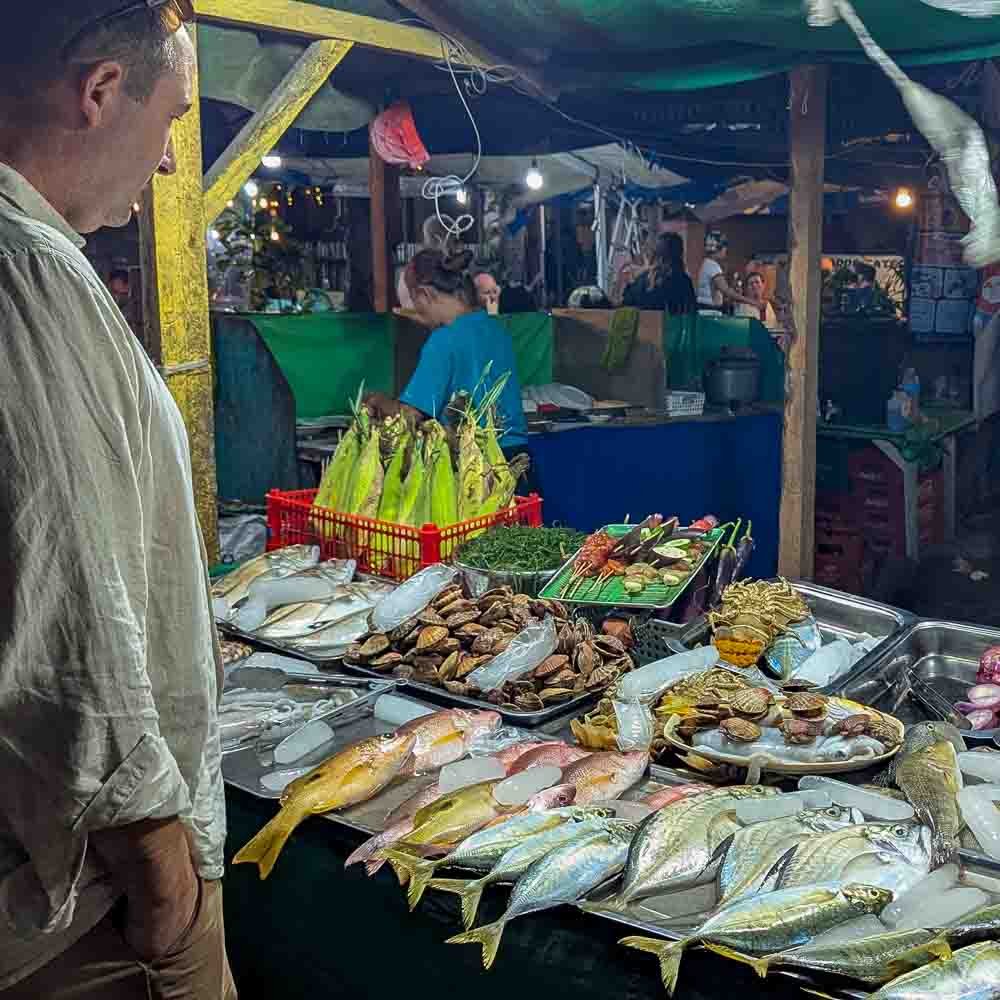
The village food market was a highlight. Open air grills, fresh seafood and fish on ice, pork belly skewers, the smell of smoke and salt. Dave's standing order: pork sizzling. Fresh, vibrant, and completely unpretentious.
Moalboal
We knew exactly why we came to Moalboal. What we didn't know was how completely it would deliver.
Sardine Run
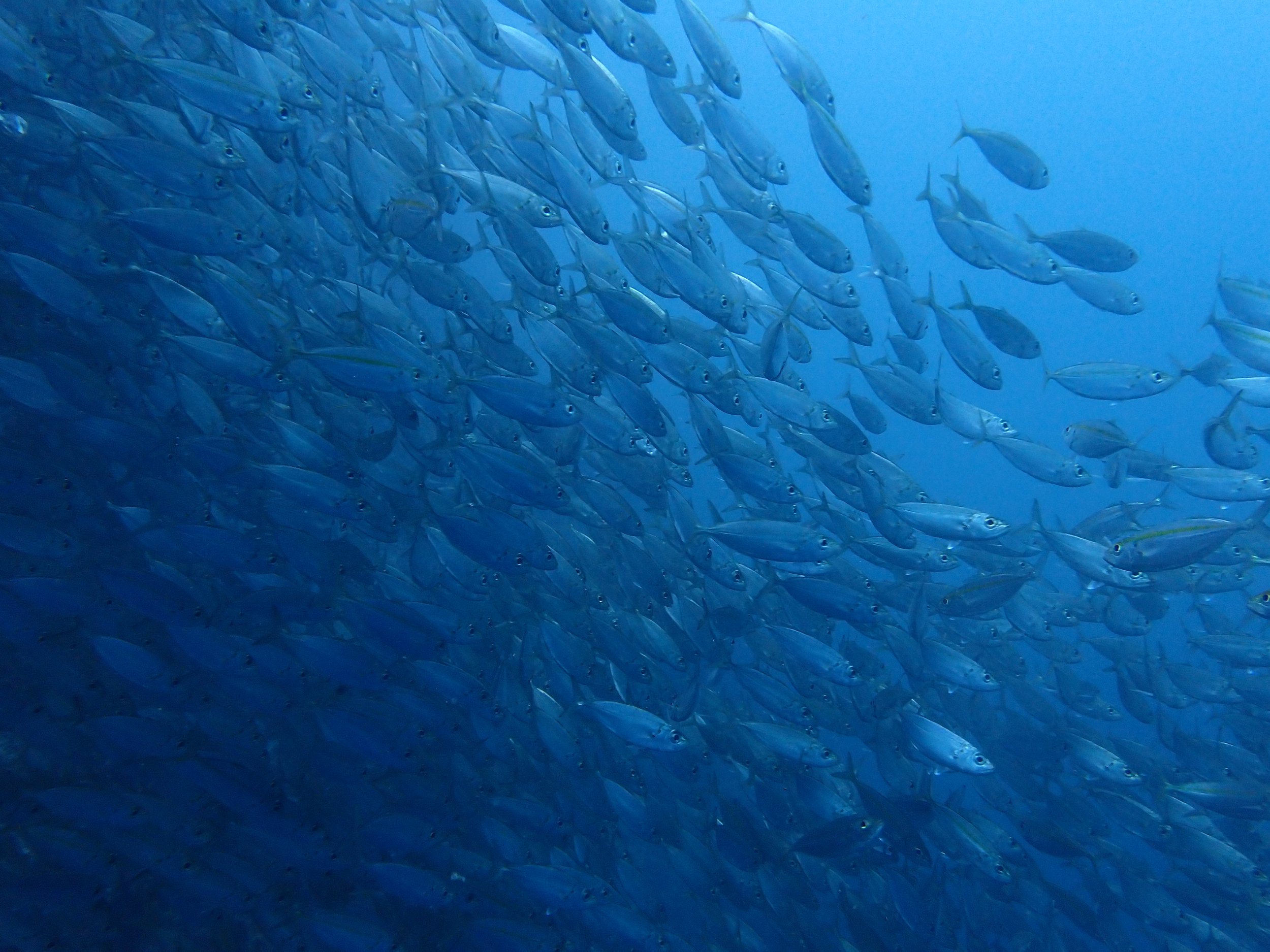
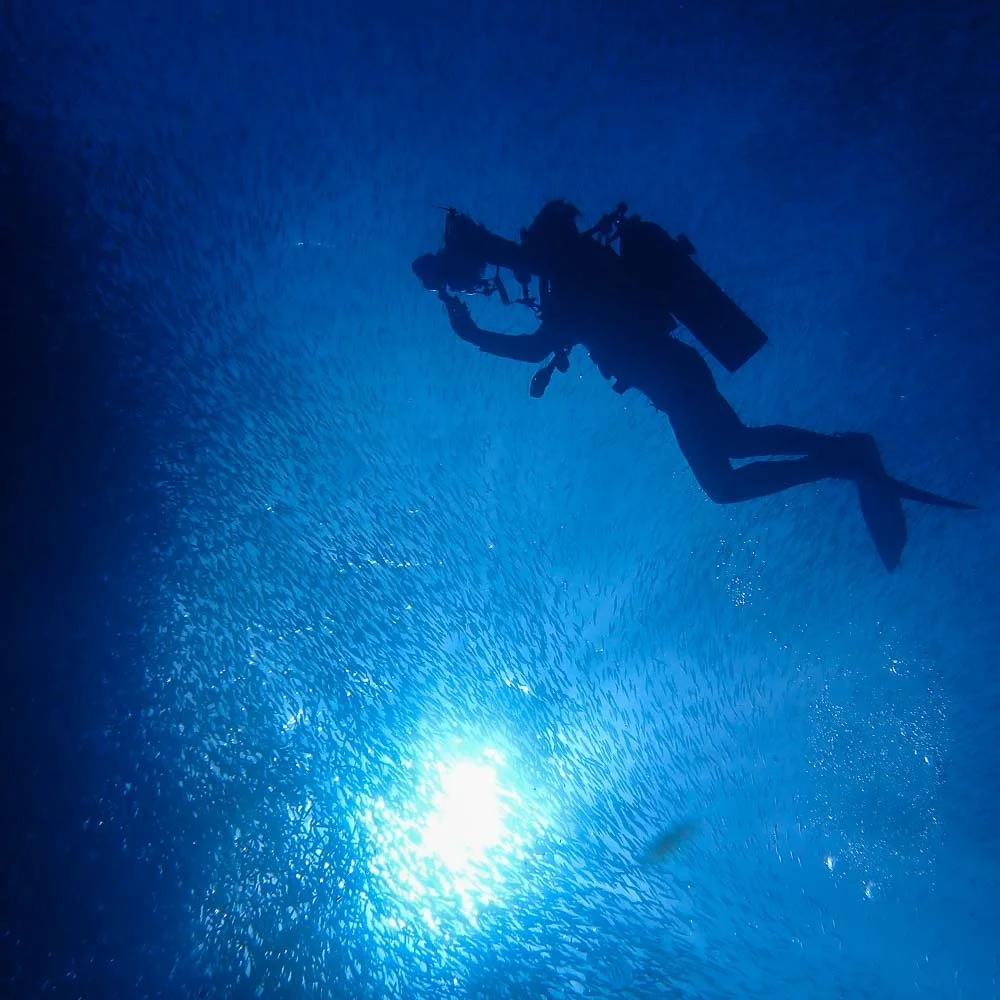
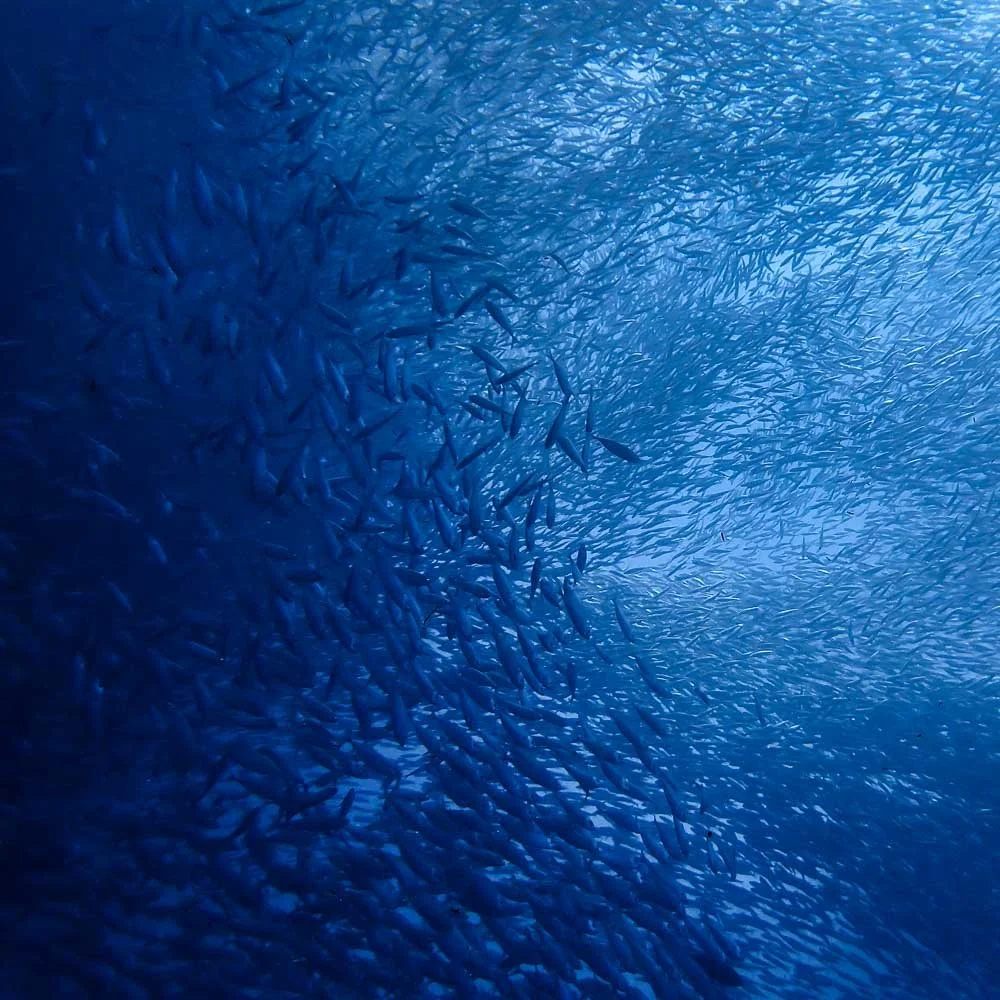
You're at 10–15 metres when the water goes dark. Not depth, not cloud cover. Millions of sardines. A living mass that moves around you like it has its own logic — when you swim toward them, they open; when you stop, they close around you. On a sunny day, the light cuts through and you can see the whole thing at once: the shape, the movement, each individual fish.
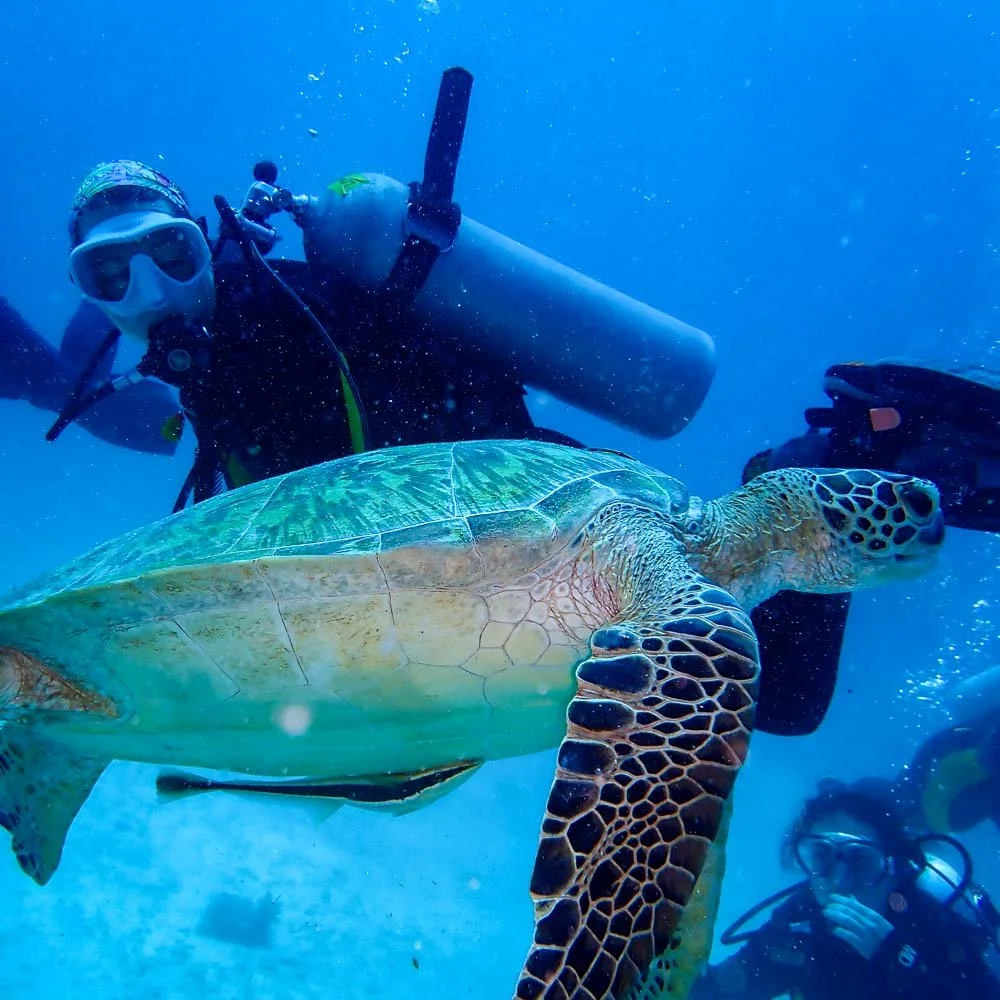
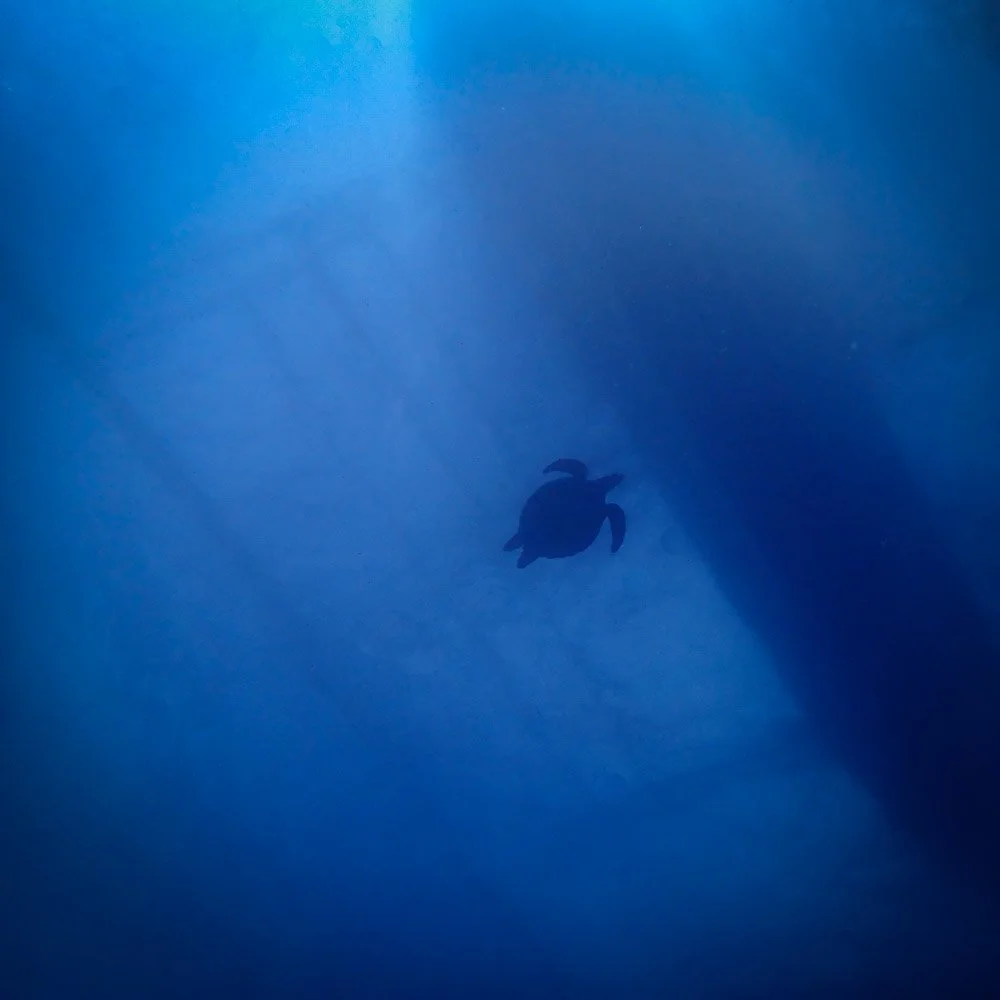
Then a turtle showed up.
It came in calmly. The sardines parted, then closed back up behind it. Gone. We were in our own world completely immersed.
What made our best dive here was a simple ask: our own dive master, no wall, just the sardines the whole time. First dive was impressive. Second dive, on our own terms, with full sun, was out of this world.
Whale Sharks
4:30am start. Two-hour drive each way. Perilous roads.
Worth it.
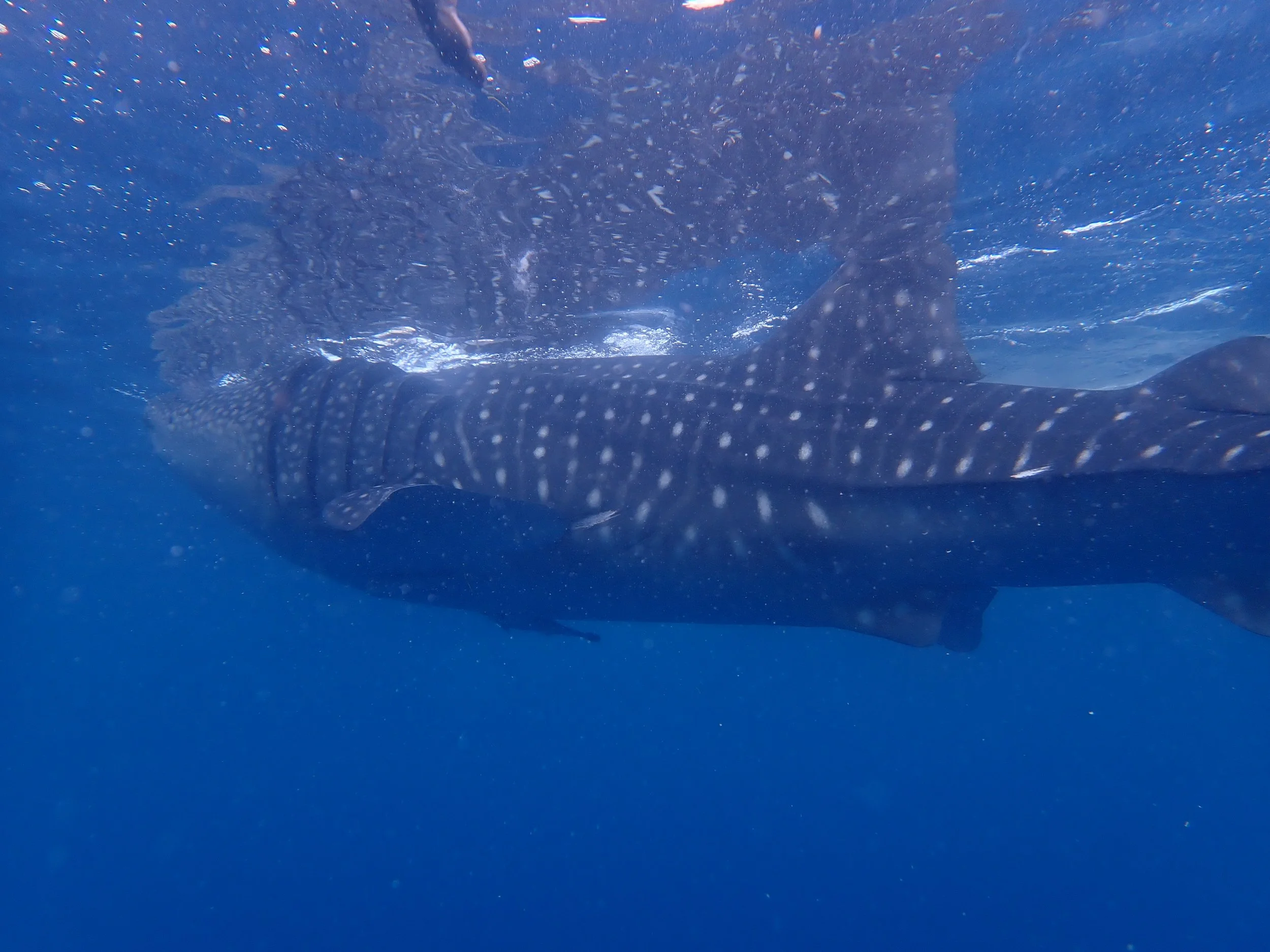
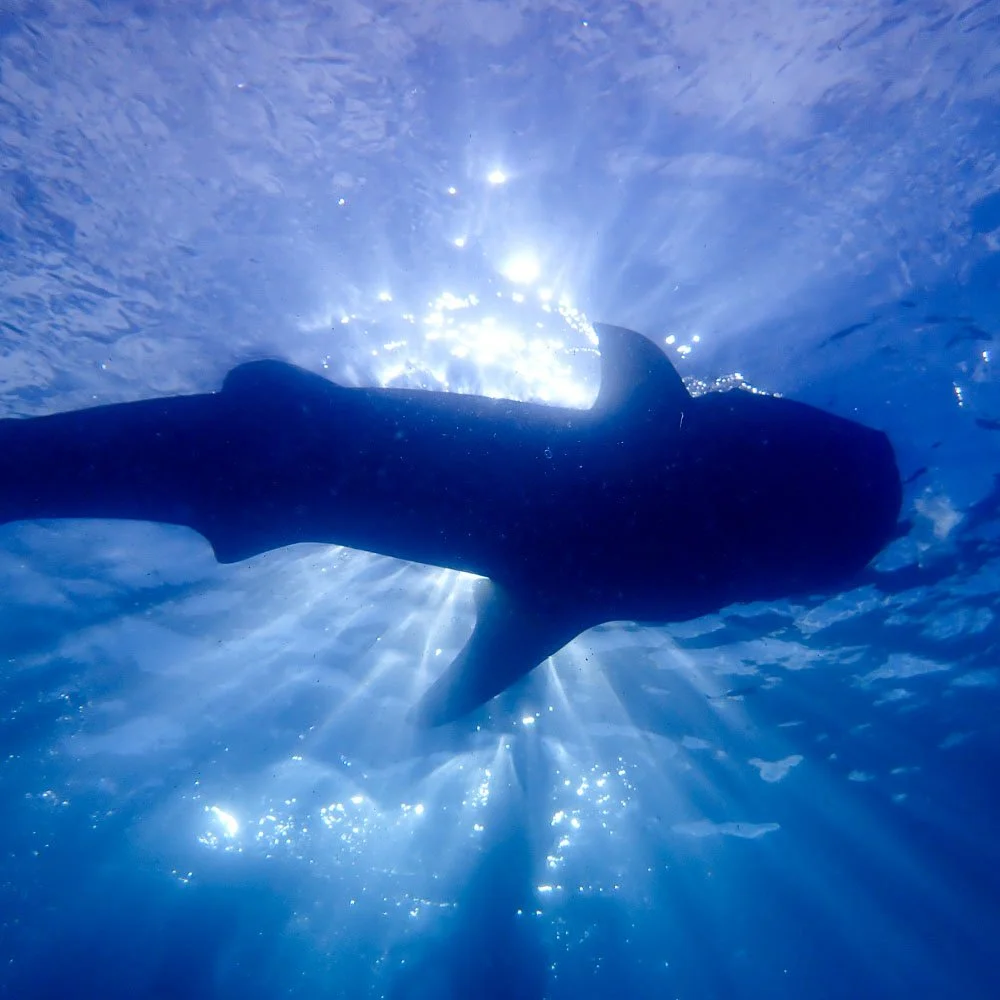
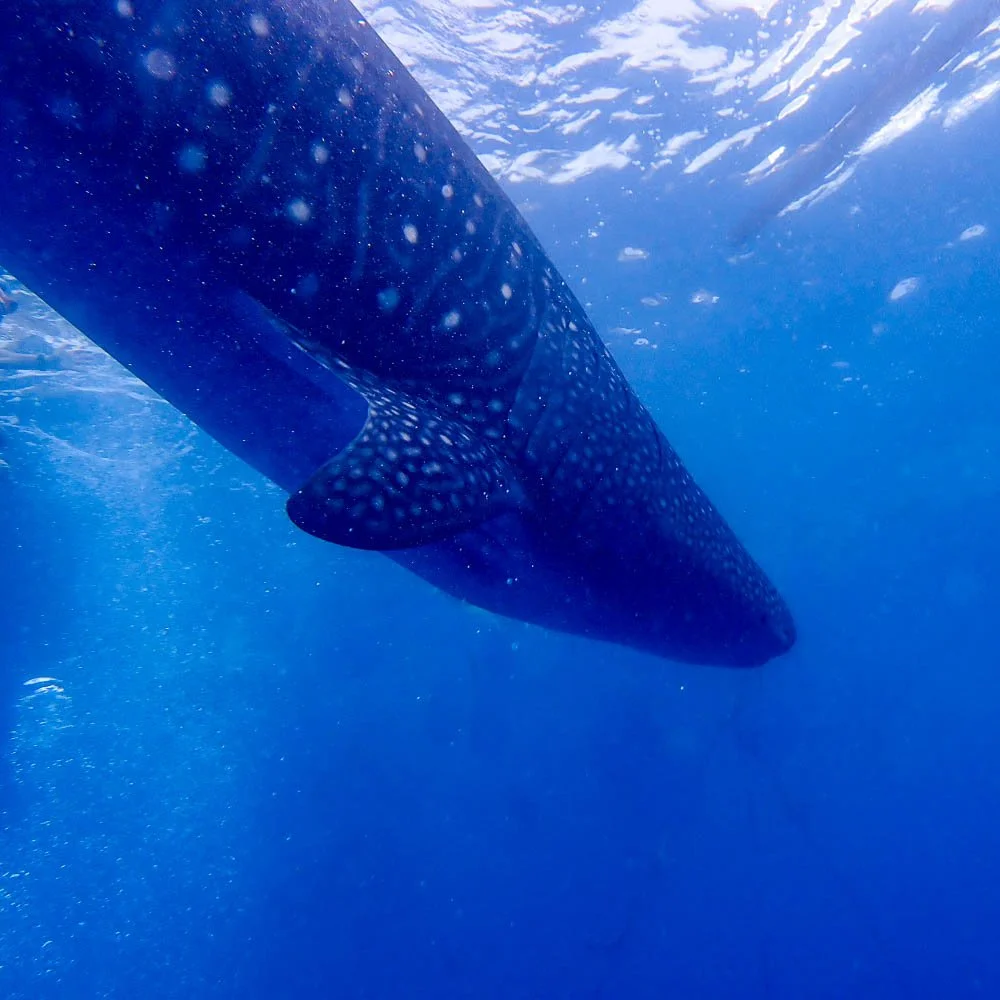
Most people watch from the surface: snorkels, crowds, a lot of splashing. Being underwater was quieter. Two whale sharks dove below the surface and came into our space. Up close, the scale of them and those spotted markings are genuinely hard to process.
We finished the day with two more dives at a nearby island and drove back to Moalboal. Long day. Good day.
Dauin
Arriving at Dauin felt like the right place to end the trip. Quieter, calmer, a small resort with a good team. We settled in quickly and would return again.
Apo Island
The boat ride out is calm and beautiful — 45 minutes of open water, good company, and anticipation. The ride back is a different story. Waves spraying over the bow, masks on, hanging on for the ride. Honestly, so much fun!
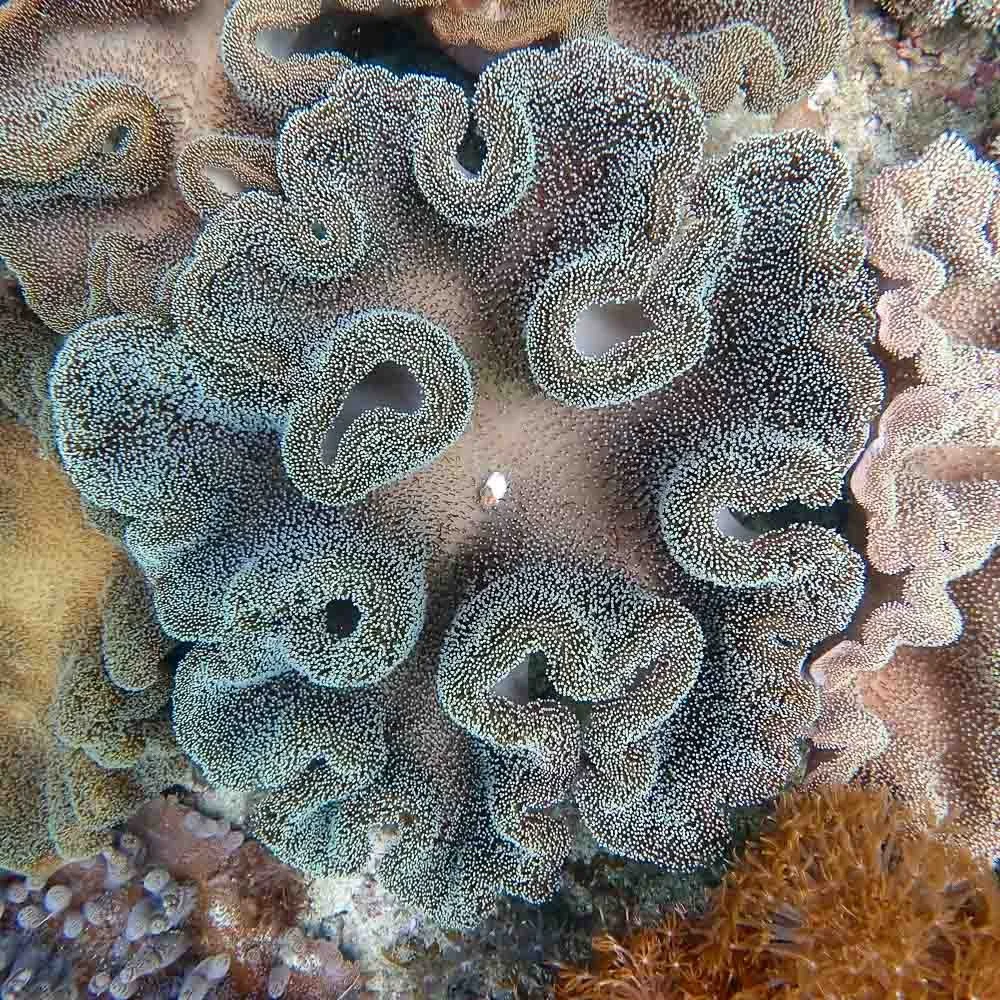
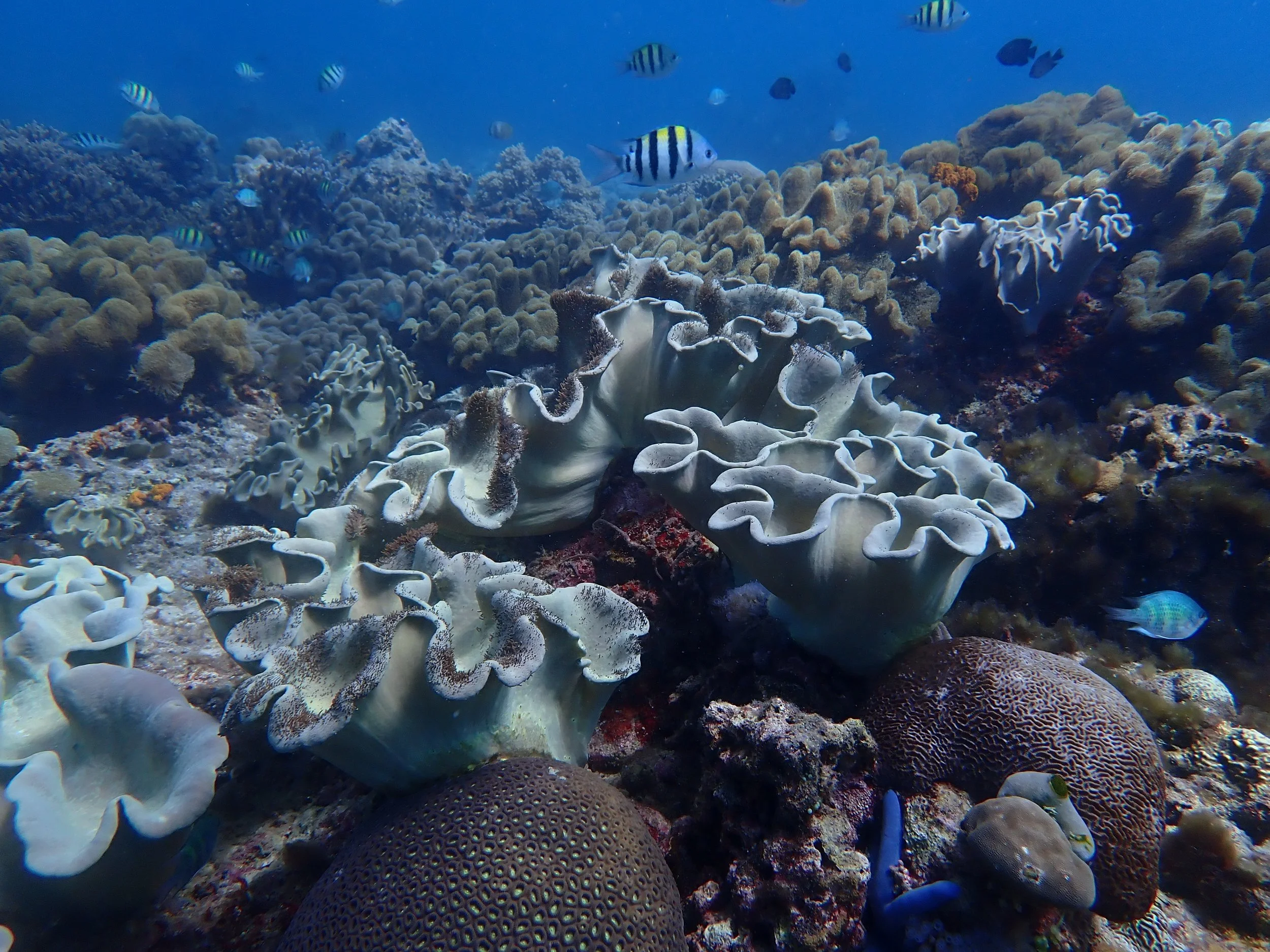
The diving delivered everything we hoped for. Big schools of fish, strong currents, coral in every texture and colour. And two things we hadn't expected — electric clams pulsing with colour, and champagne bubbles rising from the seafloor, a natural volcanic phenomenon that makes you feel like you've stumbled into something otherworldly. We went twice, six dives total.
On the second morning, Leanne completed her 100th dive at Coconut Point — her dive master's favourite spot on the island he grew up on. A strong current, turtles, and a dynamic drift dive. An epic way to mark the milestone.
Muck Diving
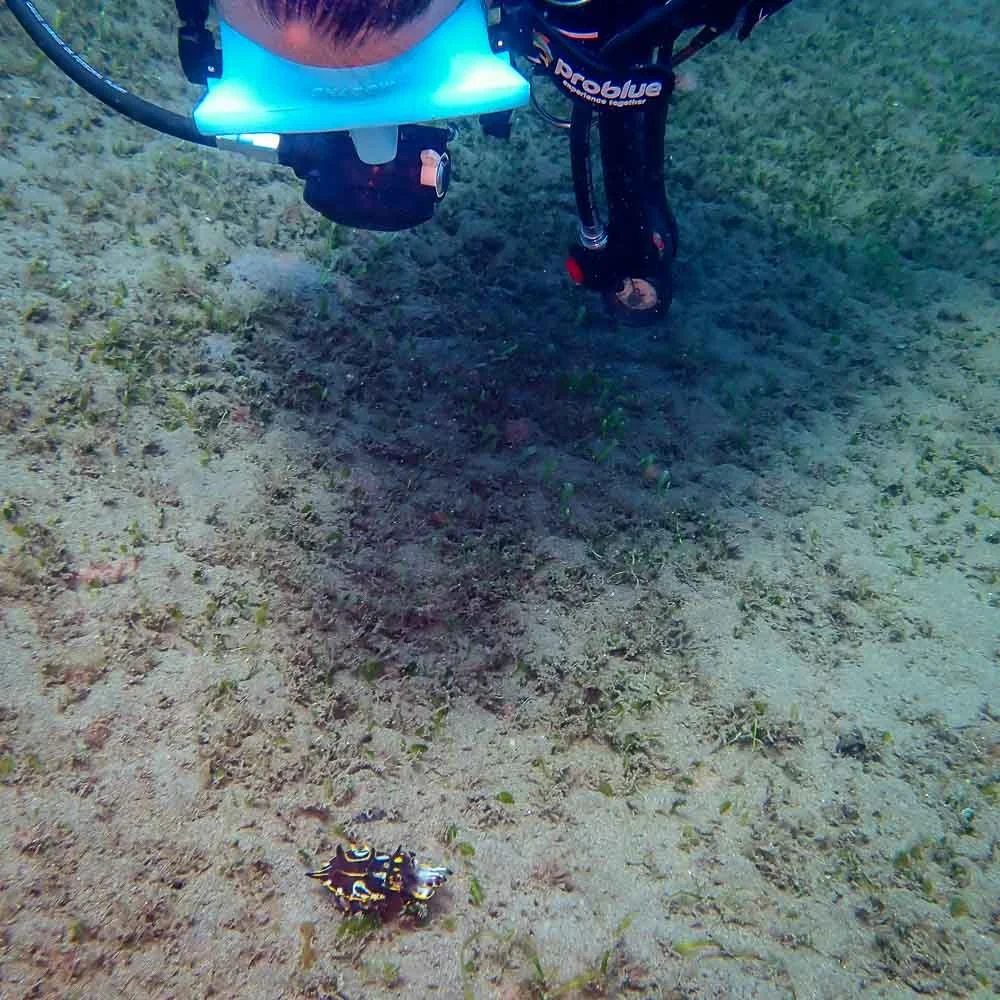
Muck diving — sandy bottoms, tiny creatures — wasn't really on our list.
Turns out we were wrong. We loved these dives!
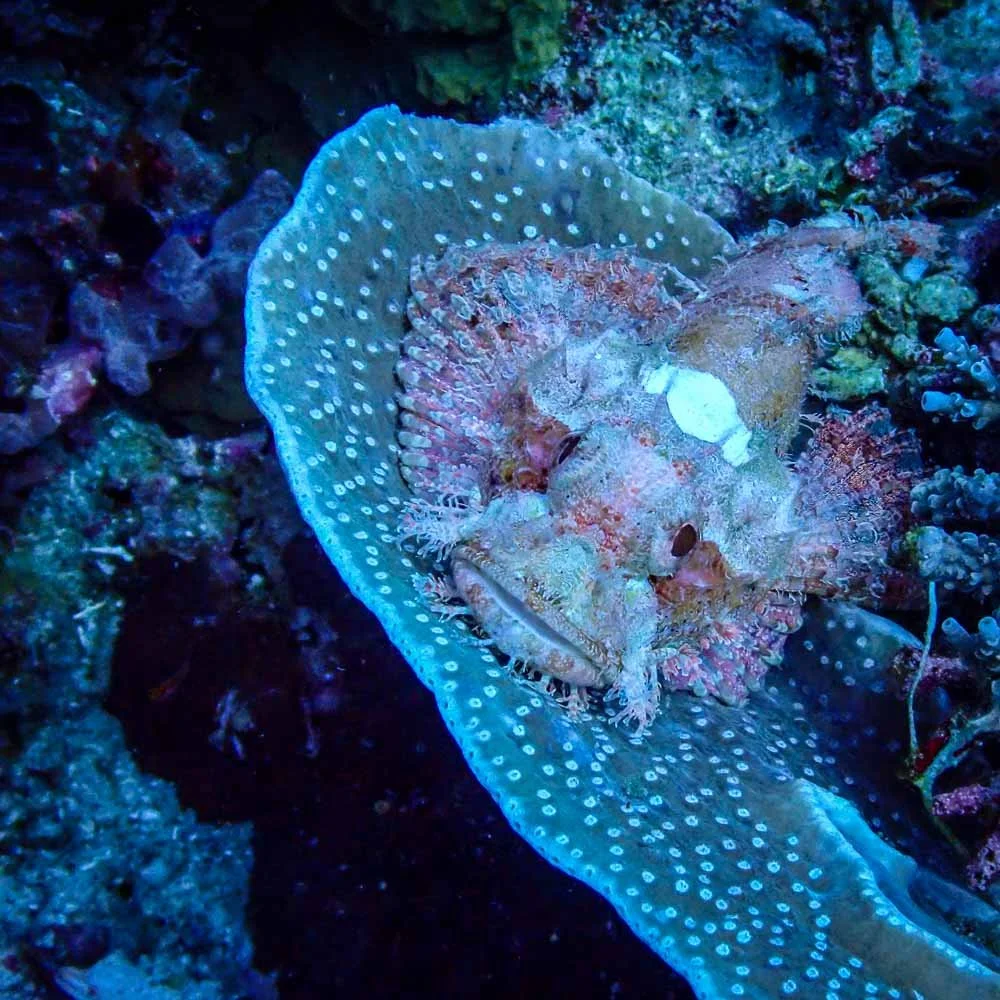
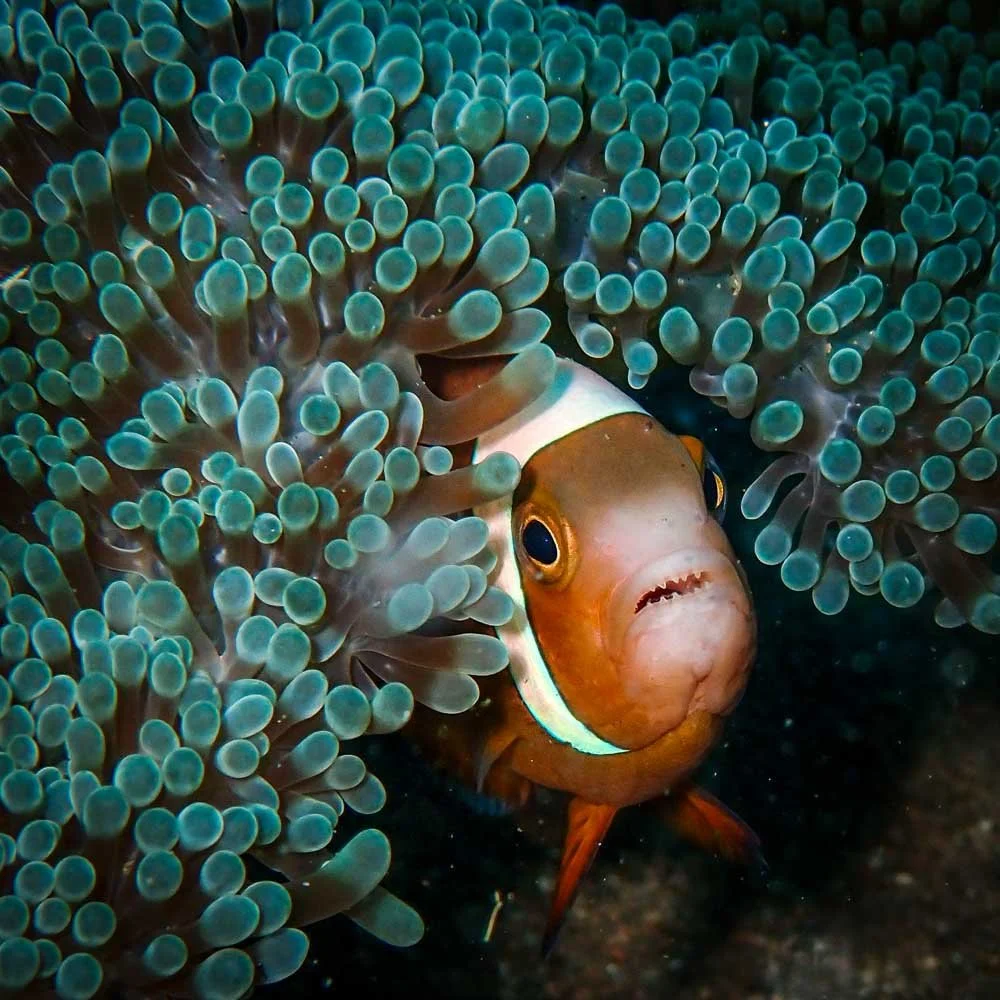
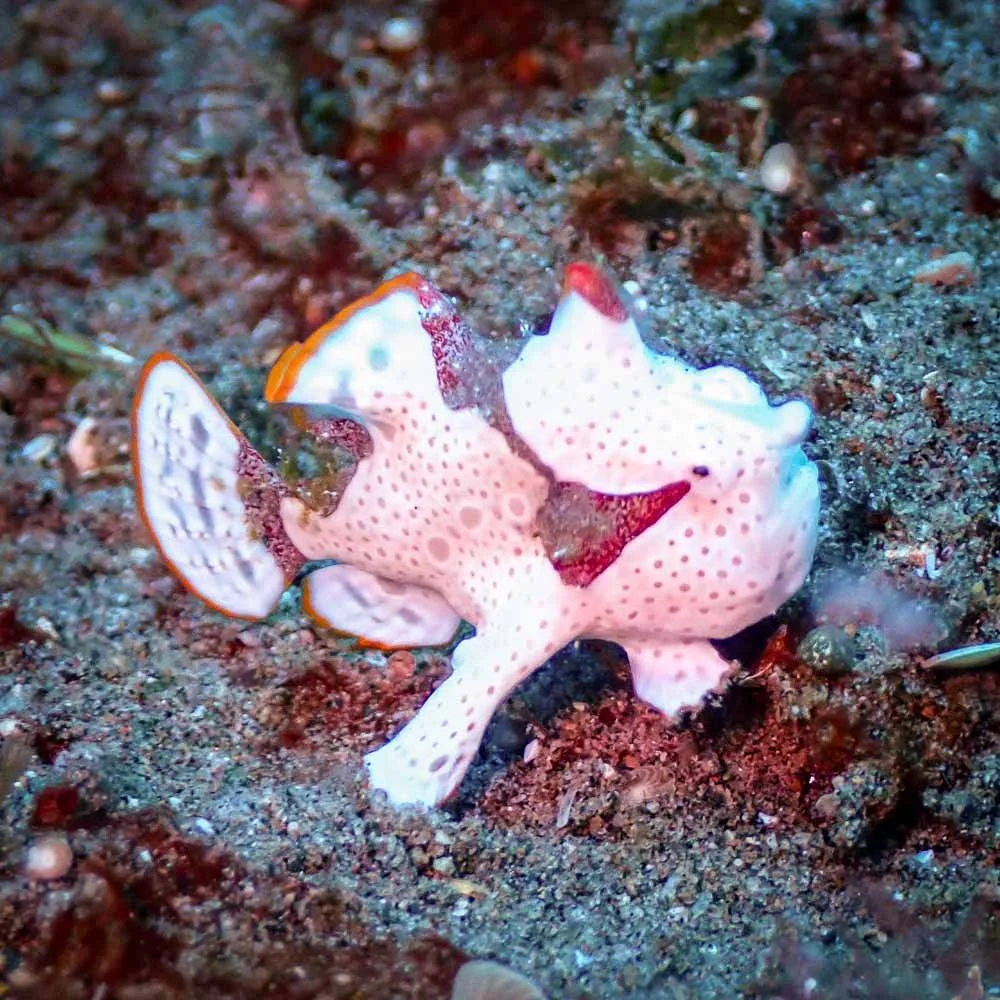
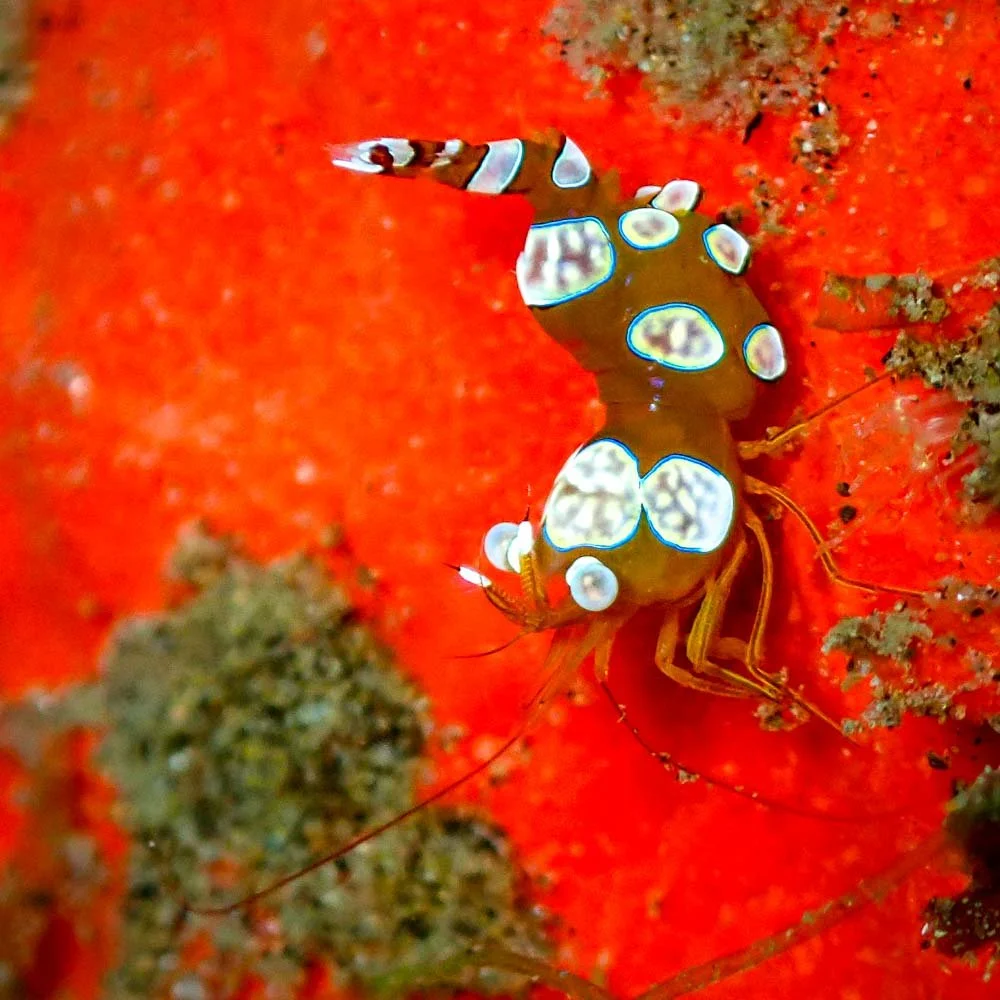
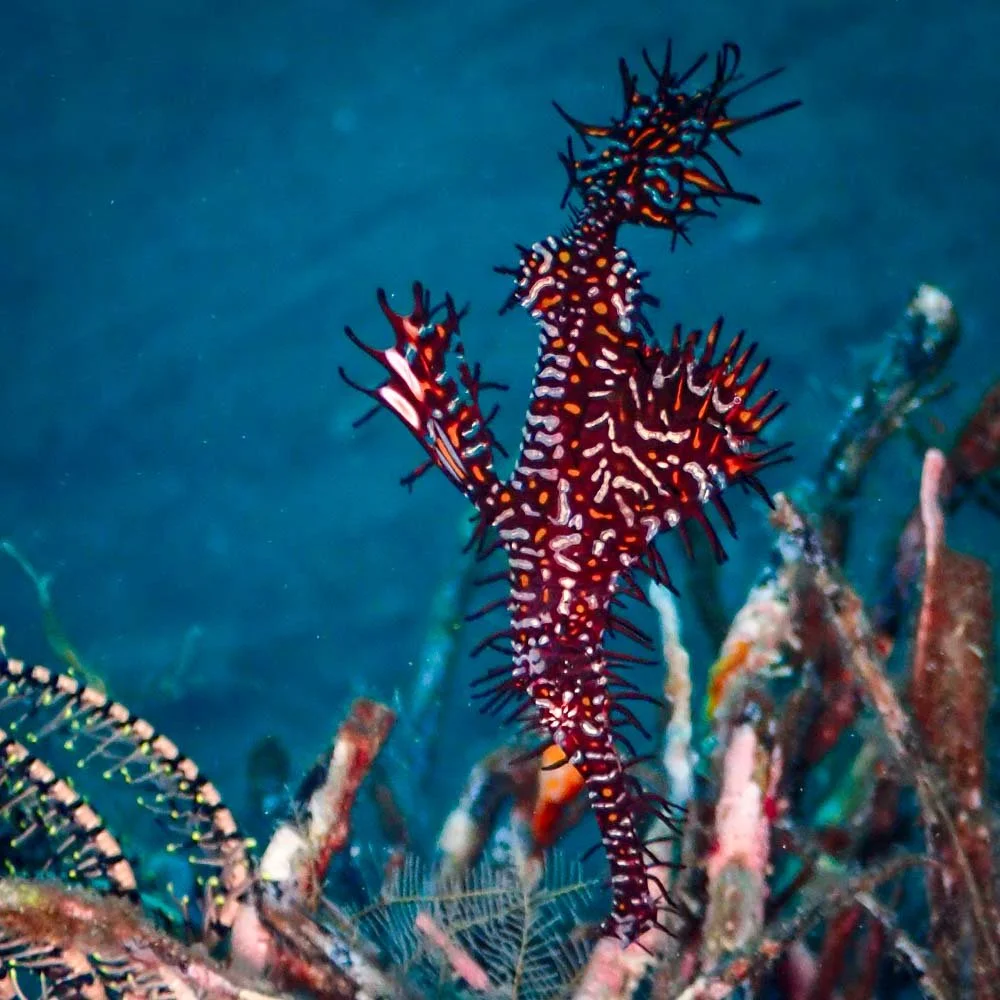
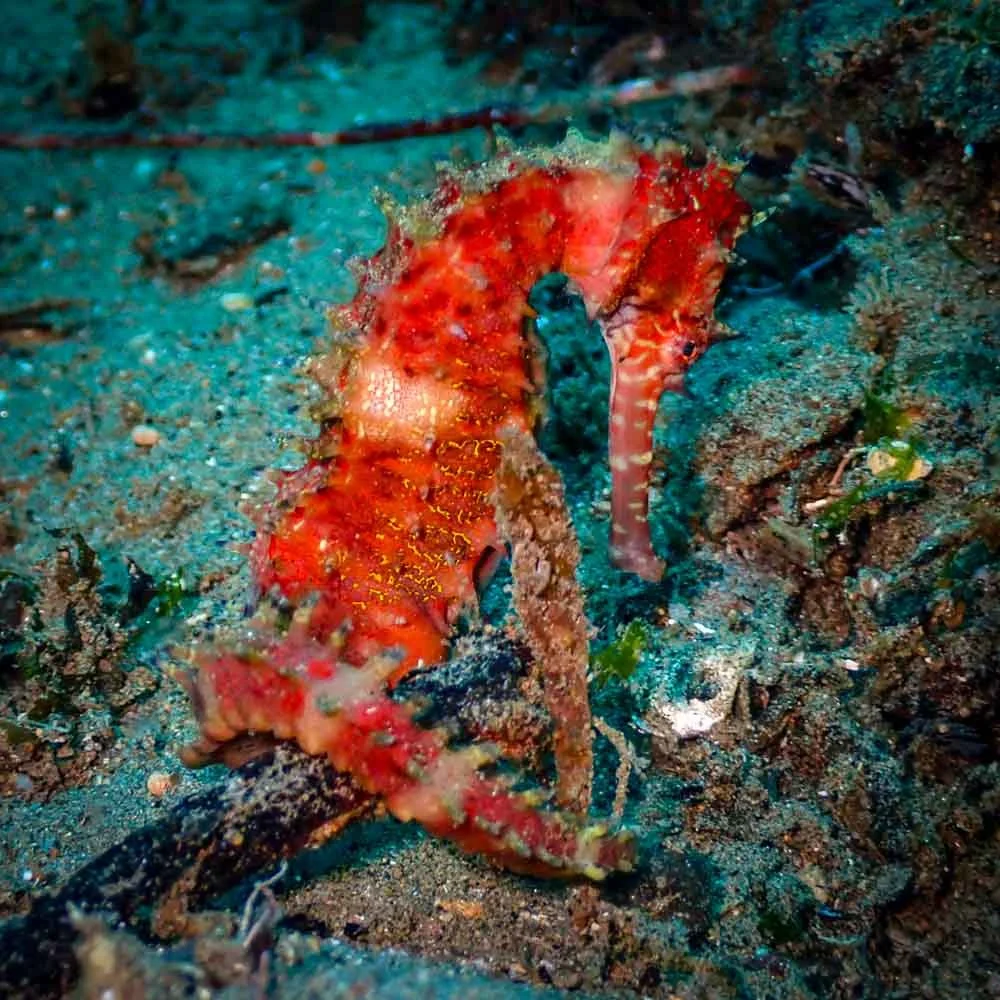
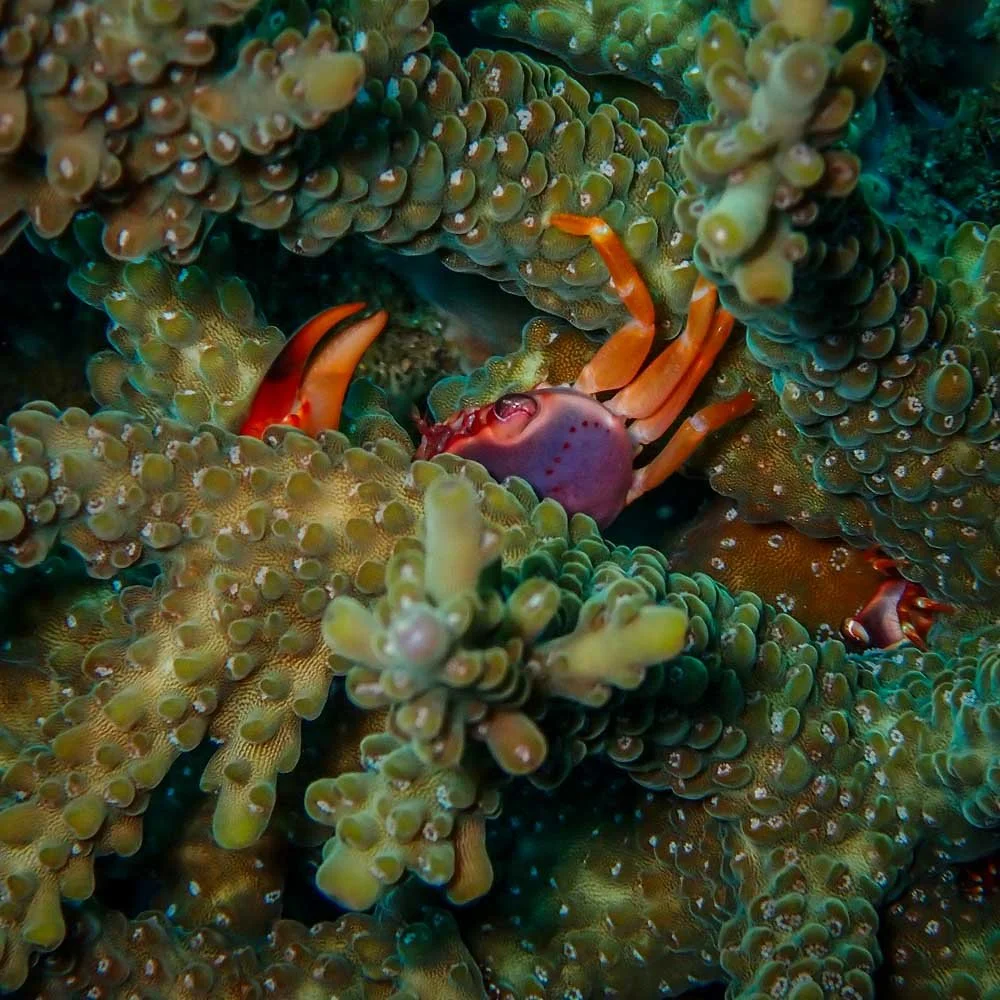
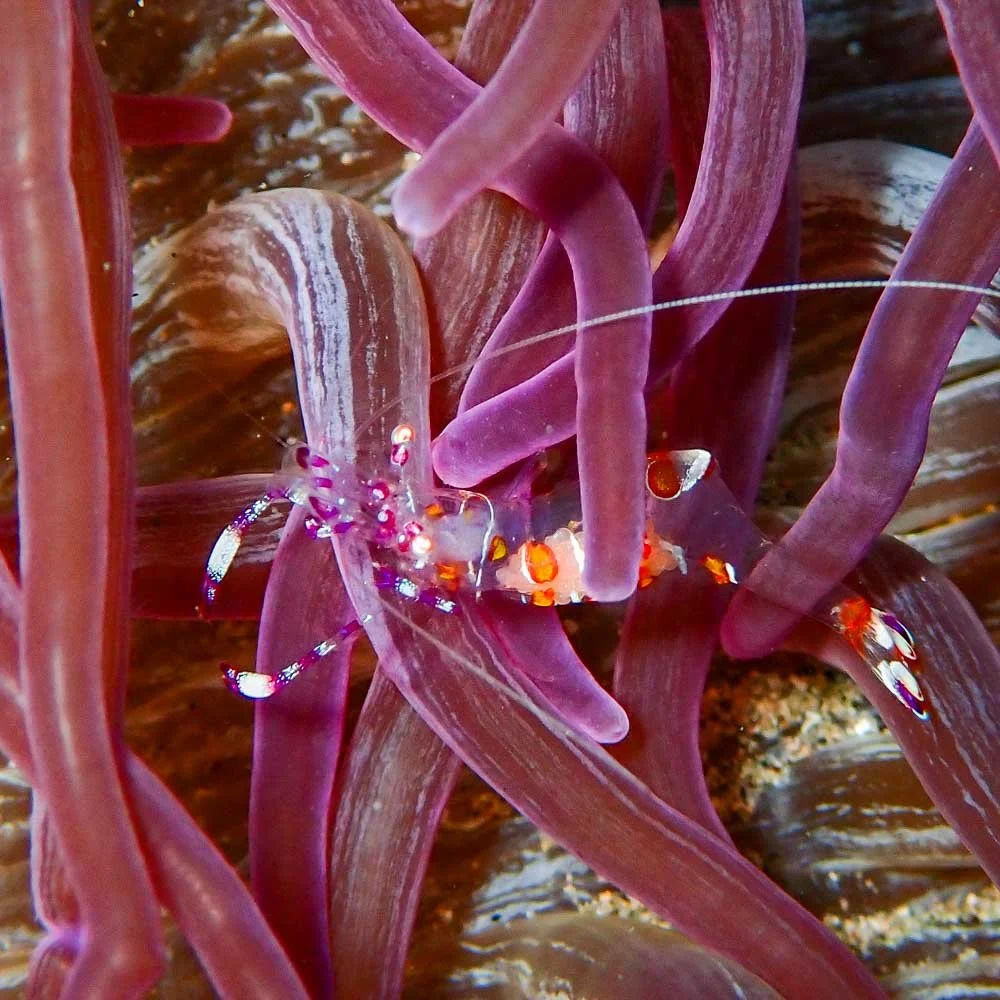
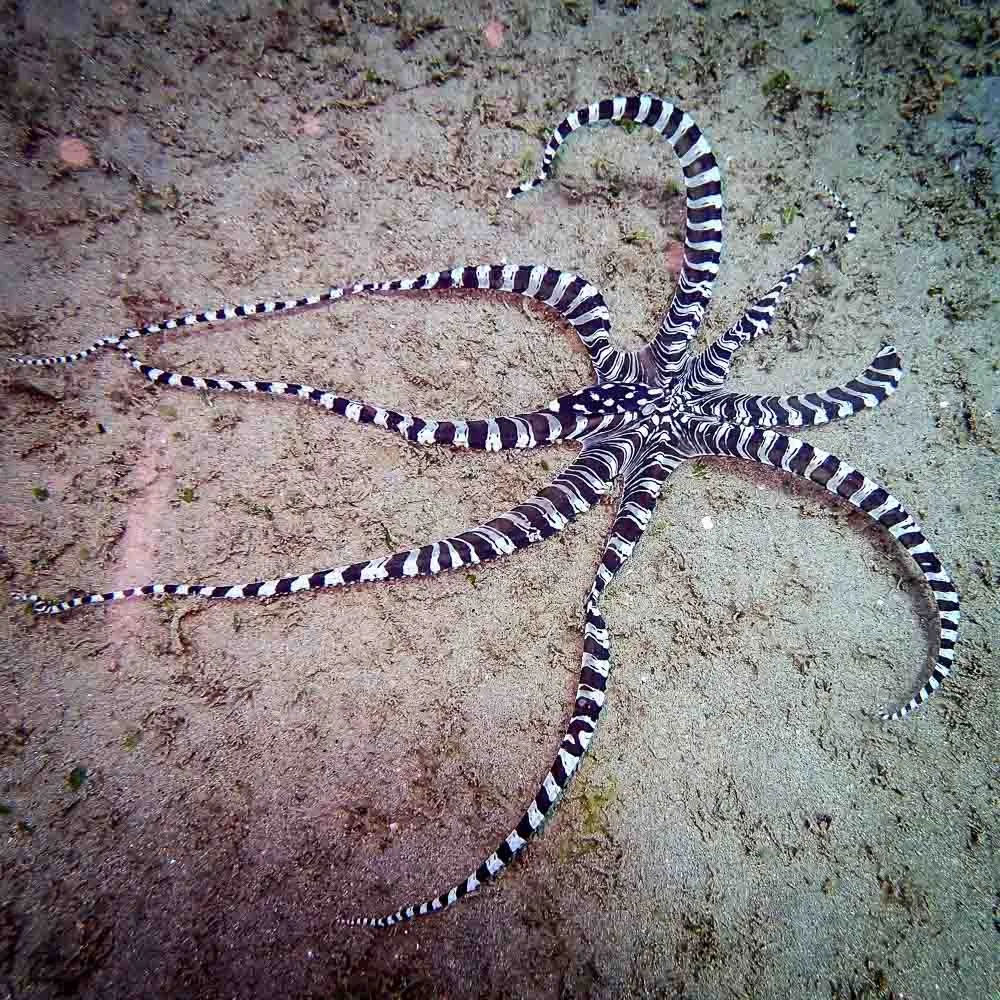
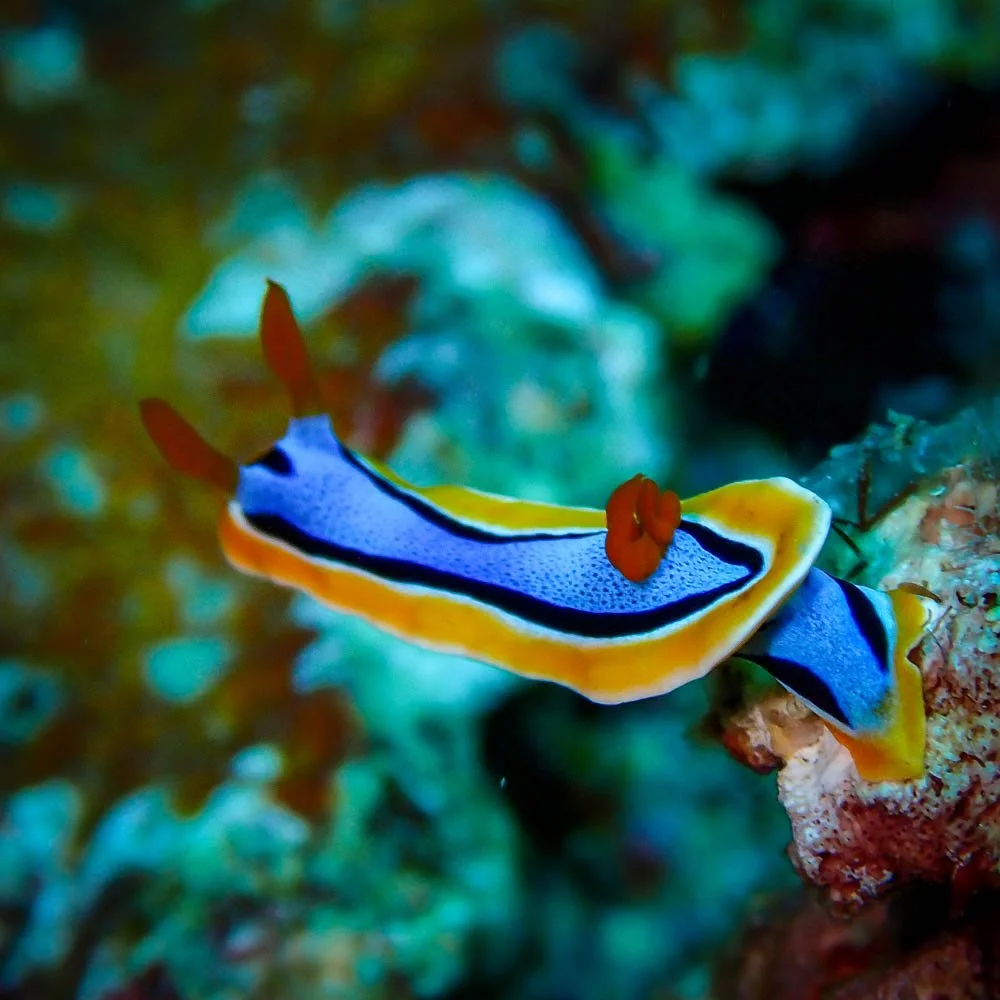
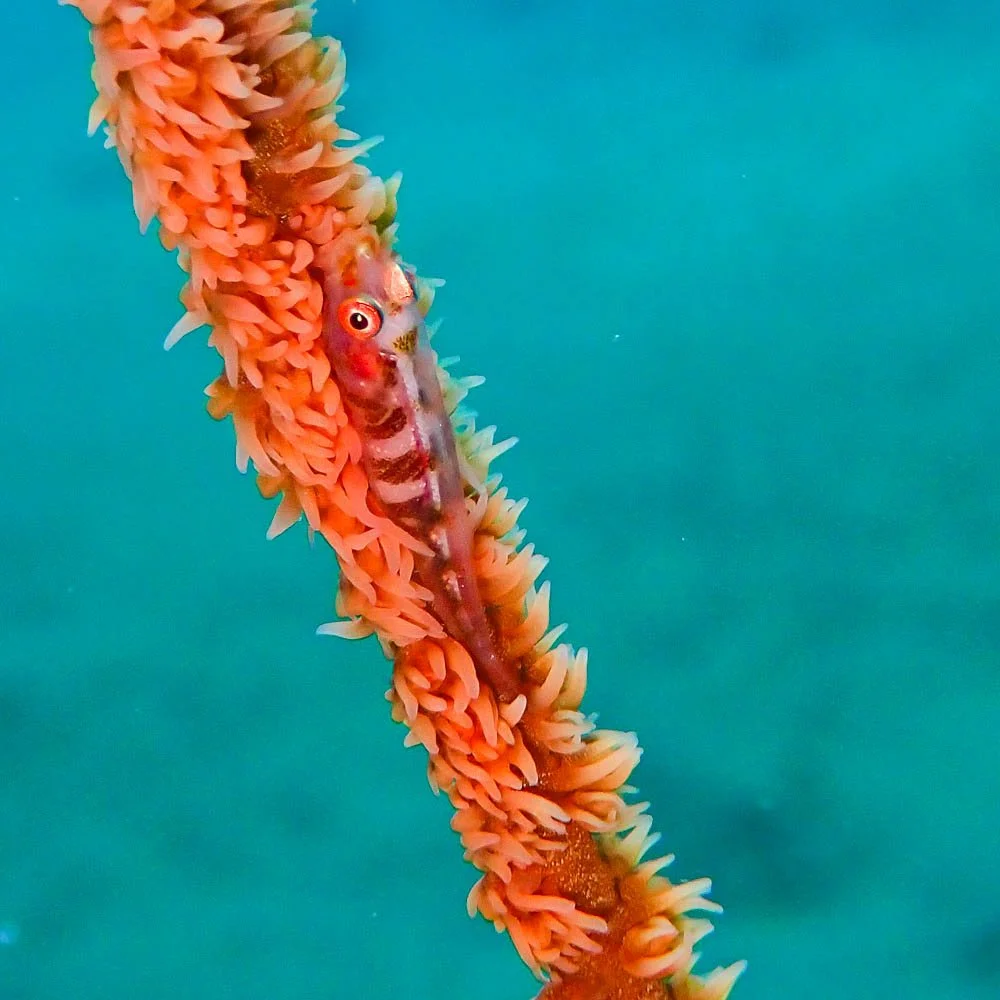
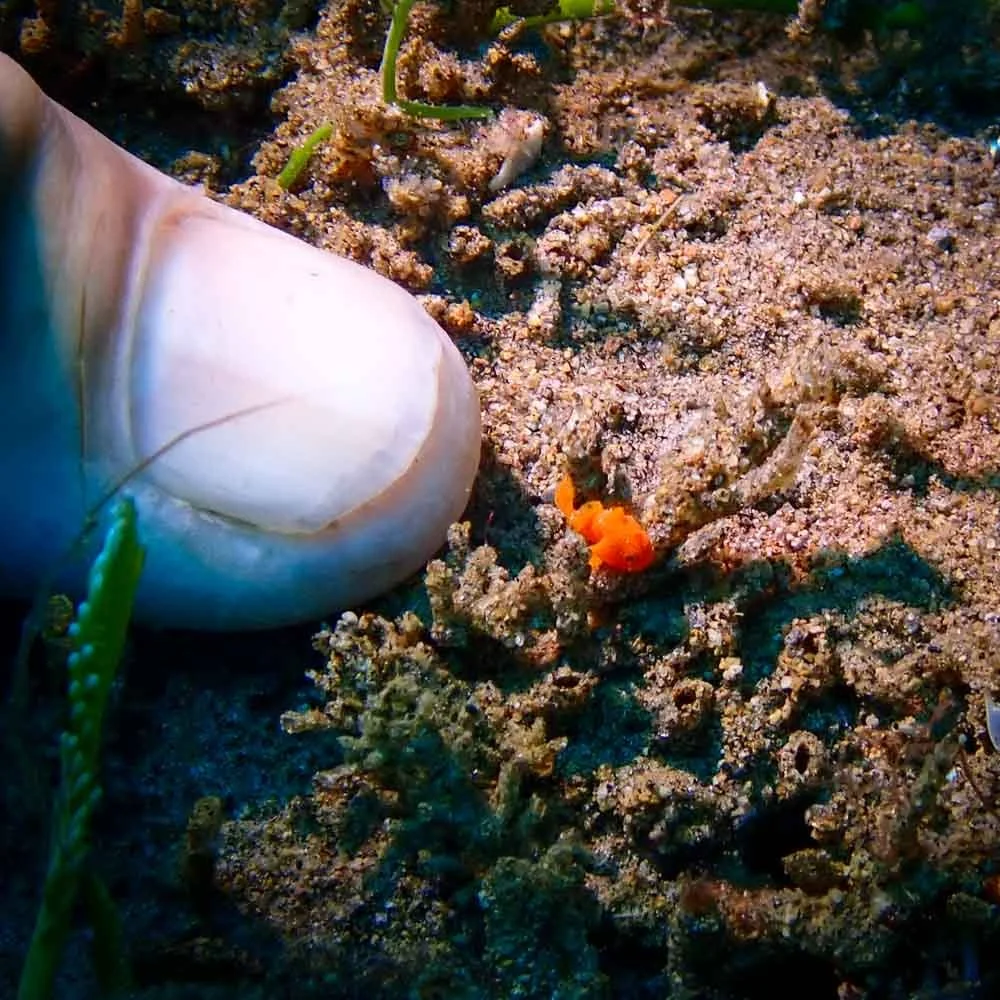
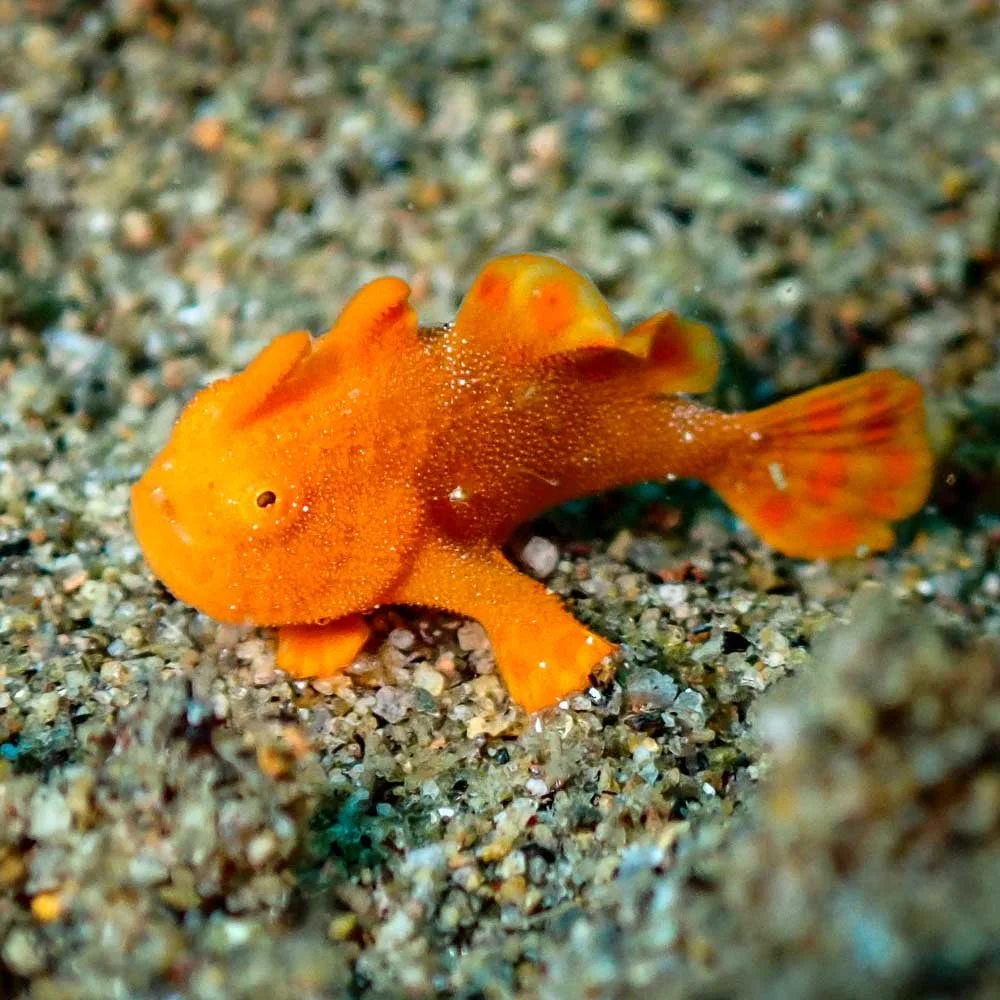
The creatures here are extraordinary and almost entirely invisible without your dive master pointing them out. Things camouflaged as stone, as coral, as plants. Microscopic crabs. Frogfish. And a mimic octopus moving freely across the bottom. So rare that Mike, who owns the resort and was diving with us, was talking about it all week.
You start shallow, following the seabed as it deepens from sandy flats into coral gardens. In some areas, man-made structures sunk decades ago have been completely claimed by the ocean — tires built into towering formations, now smothered in coral and teeming with life.
And at the safety stop, hovering at 5 metres, we'd find ourselves with turtles just going about their day. A magical way to end a dive.
We'd love to hear from you.